Explore the R6 Marketplace and master Rainbow Six Siege trading strategies, pricing trends, security tips, and smart skin investing in one complete guide.
The r6 marketplace has reshaped how players interact with cosmetic content inside Rainbow Six Siege. What was once a static inventory of purchased or earned skins has evolved into a dynamic player-driven economy where supply, demand, rarity, and timing all matter.
For competitive players, collectors, and casual fans alike, the r6 marketplace represents more than cosmetic exchange. It reflects a broader shift in live-service gaming toward ownership flexibility, digital value strategy, and community-based economic ecosystems. In this definitive guide, we break down everything you need to understand, from mechanics and security to trading psychology and long-term value strategy.
Understanding What the R6 Marketplace Really Is
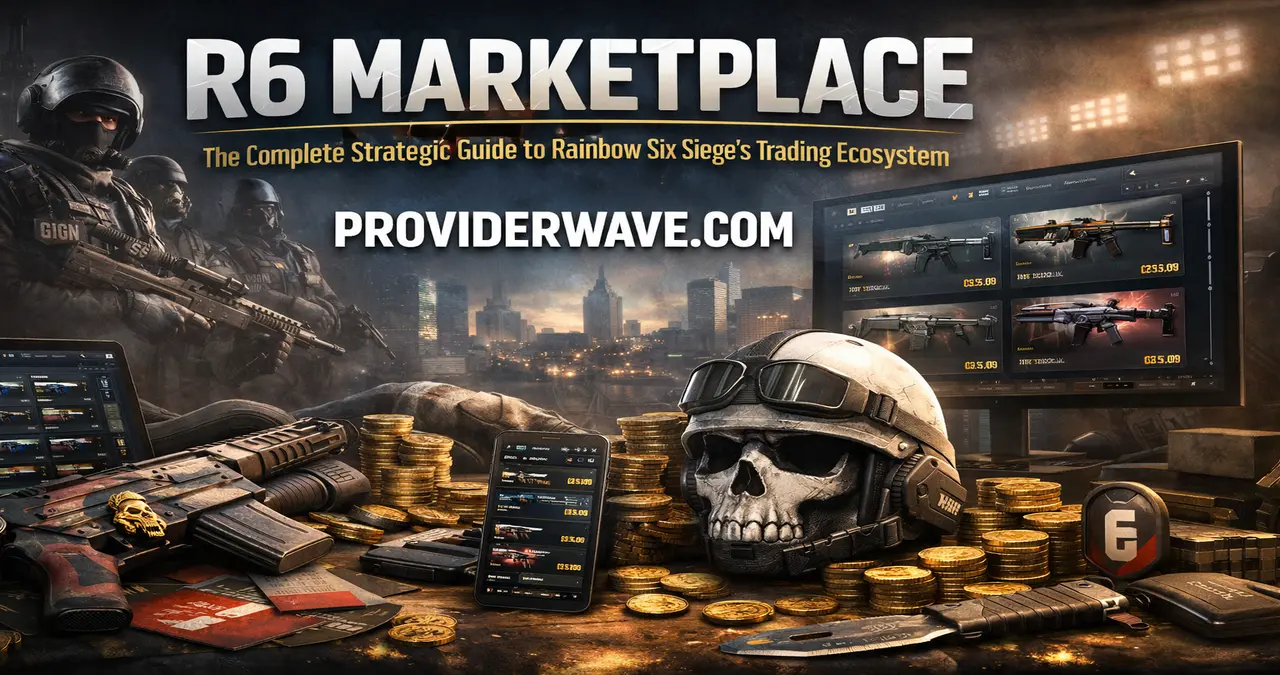
At its core, the r6 marketplace is an official trading environment where players can buy and sell eligible cosmetic items from their Rainbow Six Siege inventory. These items typically include weapon skins, headgear, uniforms, charms, and other cosmetic assets tied to the game’s evolving seasonal content.
Unlike third-party trading sites that operate outside publisher oversight, this marketplace functions within Ubisoft’s controlled infrastructure. That distinction matters because it influences security standards, transaction transparency, fraud prevention, and the legitimacy of item transfers.
The Evolution of Trading in Rainbow Six Siege
Rainbow Six Siege launched without a formal trading economy, relying instead on in-game purchases and alpha pack rewards. Over time, player demand for exchange functionality increased as cosmetic collections grew more valuable and diverse.
The introduction of the r6 marketplace signaled Ubisoft’s recognition of player-driven economies as a sustainable engagement model. Similar to other major competitive titles, the system enables asset liquidity while maintaining publisher control over item eligibility and transaction limits.
How the Marketplace Mechanism Works
The trading process is straightforward but structured. Sellers list eligible cosmetic items, setting a price within the allowed parameters. Buyers browse listings, evaluate pricing trends, and complete transactions using approved currency systems.
Behind the scenes, the system ensures item authenticity and ownership verification. Once a transaction is confirmed, ownership transfers digitally, and the item appears in the buyer’s inventory without manual intervention.
Eligible Items and Trading Restrictions
Not every cosmetic item can be traded. Ubisoft designates specific skins and collectibles as eligible for exchange, typically focusing on limited-release or seasonal cosmetics.
Restrictions exist to maintain economic stability. Certain promotional items, event rewards, or region-exclusive content may remain bound to the original account to preserve their rarity and prevent exploitation.
Why the R6 Marketplace Matters for Players
For collectors, the marketplace provides access to rare skins that may no longer be obtainable through gameplay. Instead of waiting for reruns or limited events, players can directly acquire desired items through peer exchange.
For traders and strategic players, it introduces economic gameplay elements. Monitoring demand cycles, price fluctuations, and item scarcity becomes part of the meta experience surrounding Rainbow Six Siege.
Comparing In-Game Store Purchases and Marketplace Trading
The in-game store offers direct purchases from Ubisoft at fixed prices, often tied to seasonal releases. Marketplace transactions, by contrast, reflect player-driven pricing influenced by scarcity and demand.
This distinction creates opportunities for arbitrage-style thinking. Items that were once inexpensive during release windows can appreciate over time depending on popularity and availability.
Supply and Demand in Digital Skin Economies
Like any functioning market, value is determined by perceived desirability and scarcity. Limited-time esports bundles or discontinued event skins often command higher prices due to reduced circulation.
Demand spikes may coincide with operator reworks, tournament hype, or influencer exposure. When certain cosmetics gain visibility, market interest naturally rises.
Pricing Psychology in the Marketplace
Pricing within the r6 marketplace often reflects behavioral economics rather than pure rarity metrics. Players may undervalue items during low-interest periods or inflate prices after viral popularity surges.
Understanding buyer psychology is essential. Urgency, nostalgia, competitive identity, and aesthetic trends all influence how players assess cosmetic value.
Seasonal Cycles and Market Fluctuation
Seasonal updates introduce new cosmetics, shifting attention and capital toward fresh releases. During these periods, older items may temporarily dip in value as liquidity moves elsewhere.
However, once seasonal hype stabilizes, collectors often revisit legacy skins. This cyclical pattern creates opportunities for strategic buying and selling.
Risk Management in Digital Trading
While the r6 marketplace operates under official infrastructure, players should still practice careful transaction habits. Pricing misjudgments, impulsive purchases, or market speculation without research can lead to regret.
The safest approach combines patience with data awareness. Monitor price history, assess item frequency, and avoid reacting emotionally to short-term volatility.
Security and Account Protection
Security remains one of the strongest advantages of an official trading platform. Transactions occur within Ubisoft’s ecosystem, reducing exposure to phishing or external scams.
Players should still enable two-factor authentication and maintain strong account credentials. Marketplace access is tied directly to account integrity.
How Marketplace Participation Impacts Engagement
Trading introduces a meta-layer beyond gameplay. Even players who temporarily step away from ranked matches may remain active by managing inventory or monitoring pricing trends.
This sustained engagement benefits both players and the developer. A thriving marketplace encourages long-term community retention.
Competitive Identity and Cosmetic Signaling
In tactical shooters like Rainbow Six Siege, cosmetics function as visual identity markers. Certain skins represent veteran status, event participation, or esports allegiance.
Owning rare cosmetics purchased through the r6 marketplace can signal dedication and history within the community. These symbolic elements often drive demand more than pure aesthetic appeal.
Marketplace Trends in Live-Service Gaming
Across the gaming industry, official trading ecosystems are becoming more common. Controlled player-to-player exchange balances monetization with community autonomy.
Rainbow Six Siege’s implementation aligns with broader trends in digital asset circulation and cosmetic-based economies.
Transparency and Fairness in Trading Systems
An effective marketplace requires clear listing visibility and pricing transparency. Hidden fees or unclear transaction rules undermine trust.
Ubisoft’s official approach helps maintain structural clarity. Players can browse available listings without relying on external intermediaries.
Economic Strategy for Collectors
Collectors often focus on items with limited distribution windows. Early participation in events may yield assets that gain value over time.
Long-term collectors typically prioritize rarity, historical significance, and esports collaborations.
Economic Strategy for Traders
Traders tend to focus on short-term price movements. Identifying undervalued items during low-demand periods and listing during high-demand spikes is common practice.
This approach requires observation and timing rather than impulsive buying.
Marketplace Data and Analysis Approach
Experienced participants treat the marketplace analytically. Tracking item frequency, listing volume, and price trends provides insight into valuation patterns.
Below is a simplified comparison of trading mindsets:
| Approach Type | Focus Area | Risk Level | Time Horizon | Strategy Style |
|---|---|---|---|---|
| Casual Buyer | Personal cosmetic appeal | Low | Short | Impulse or preference-driven |
| Collector | Rare and limited items | Medium | Long | Hold and preserve |
| Active Trader | Price fluctuation trends | Higher | Short-Mid | Buy low, sell high |
| Hybrid Strategist | Mixed rarity and timing | Balanced | Flexible | Tactical positioning |
Market Stability and Publisher Control
Because Ubisoft retains regulatory oversight, the r6 marketplace avoids extreme volatility seen in unregulated digital economies. This controlled environment preserves long-term ecosystem health.
Item eligibility caps and transaction rules act as stabilizing mechanisms.
Common Misconceptions About the Marketplace
One misconception is that every rare skin automatically increases in value. In reality, demand is equally important.
Another myth is that trading guarantees profit. Market participation carries inherent unpredictability.
Ethical Considerations in Digital Trading
Responsible participation involves fair pricing and transparency. Exploitative practices damage community trust.
As gaming economies mature, ethical standards increasingly influence player reputation.
Long-Term Outlook for the Marketplace
The future likely includes expanded item eligibility and deeper analytics integration. As live-service models evolve, cosmetic trading may become more sophisticated.
The r6 marketplace stands as a foundational example of structured player economy integration.
The Role of Esports in Market Value
Esports collaborations significantly impact cosmetic desirability. Team-branded skins and championship bundles often carry prestige.
Competitive relevance amplifies marketplace activity.
Community Sentiment and Perceived Value
Community opinion heavily influences cosmetic demand. Social media discussions, influencer showcases, and tournament exposure all shape value perception.
As one industry analyst noted, “Digital cosmetics hold value not because of scarcity alone, but because of shared meaning within a community.”
Integrating Marketplace Strategy Into Gameplay
Players who align cosmetic purchases with operator mastery often feel stronger identity cohesion. Strategic skin ownership can complement gameplay dedication.
Marketplace activity, therefore, becomes part of the broader player journey.
Conclusion: The Strategic Power of the R6 Marketplace
The r6 marketplace represents a meaningful evolution in Rainbow Six Siege’s ecosystem. It merges competitive gaming with structured digital economics, empowering players to manage cosmetic assets intelligently.
Whether you are a collector seeking rare legacy skins or a trader analyzing seasonal trends, understanding the r6 marketplace equips you with insight and control. Approach it strategically, protect your account security, monitor trends carefully, and you will maximize both enjoyment and value within the Rainbow Six Siege community.
FAQ
What is the r6 marketplace?
The r6 marketplace is an official player-to-player trading system within Rainbow Six Siege that allows eligible cosmetic items to be bought and sold securely.
Is the r6 marketplace safe to use?
Yes, the r6 marketplace operates under Ubisoft’s official infrastructure, reducing scam risks compared to third-party trading sites.
Can every cosmetic item be sold?
No, only specific eligible items are available within the r6 marketplace, depending on Ubisoft’s trading rules and restrictions.
Do items always increase in value?
Not necessarily. Value in the r6 marketplace depends on both rarity and player demand, which can fluctuate seasonally.
How can I avoid overpaying?
Research pricing trends, monitor listing volume, and avoid impulse buying when using the r6 marketplace.
Is trading profitable?
Profitability is not guaranteed. Strategic timing and understanding of demand cycles improve success rates within the r6 marketplace.