
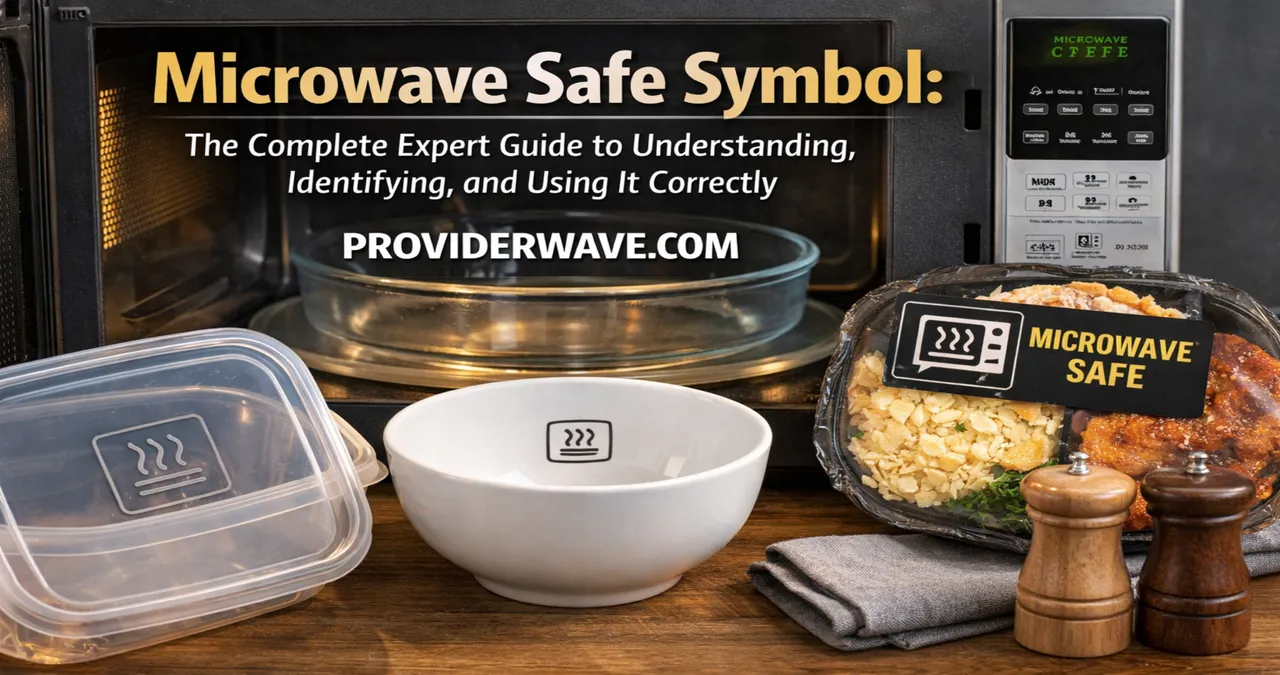
Learn everything about the microwave safe symbol, its meaning, safety standards, materials, health concerns, and practical usage tips in this complete expert guide.
The microwave safe symbol is one of the most important yet commonly misunderstood markings found on kitchenware. You see it on plastic containers, ceramic bowls, glass dishes, and even takeaway packaging. Yet many people are unsure about what it truly means, how reliable it is, and how to interpret it correctly. If you have ever hesitated before placing a container into the microwave, you are not alone.
In this comprehensive guide, we will explore everything you need to know about the microwave safe symbol. We will break down its meaning, explain the science behind microwave heating, discuss safety standards, compare materials, and clarify common myths. This article is written in a friendly but expert tone so you can feel confident about using your microwave safely and intelligently.
What Is the Microwave Safe Symbol and What Does It Really Mean
The microwave safe symbol is a visual indicator placed on kitchenware and food containers to show that the item is suitable for use in a microwave oven. It typically appears as wavy lines inside a square or a microwave icon. Sometimes, it may simply say “microwave safe” in text form.
However, the presence of the microwave safe symbol does not mean the container is indestructible or suitable for every possible microwave condition. It means that the product has been tested under specific conditions and has met safety standards for microwave use. This usually includes resistance to melting, cracking, or releasing harmful chemicals when exposed to microwave energy under normal household usage.
It is important to understand that microwave safe does not mean heatproof in all circumstances. For example, a container marked with the microwave safe symbol might still become hot if the food inside reaches high temperatures. In some cases, the container is safe for reheating but not for cooking for extended periods. Reading additional instructions along with the microwave safe symbol is always recommended.
How the Microwave Works and Why the Symbol Matters
To understand why the microwave safe symbol is important, it helps to understand how a microwave oven works. Unlike conventional ovens, microwaves heat food using electromagnetic waves. These waves excite water molecules inside the food, causing them to vibrate and generate heat.
Because microwaves target water molecules, the food heats from the inside out rather than relying solely on external heat transfer. This method is fast and efficient, but it can also create uneven heating patterns. Some materials may react poorly under these conditions, especially plastics not designed for microwave exposure.
The microwave safe symbol exists to prevent accidents. Without proper testing, some containers might melt, warp, or release chemicals into food. Metal can cause sparks and fires. Certain ceramics may crack. The microwave safe symbol gives consumers reassurance that the product has been evaluated for microwave compatibility and is considered safe for normal use.
Common Designs of the Microwave Safe Symbol
The microwave safe symbol does not have a single universal design. Instead, manufacturers use variations that are widely recognized. The most common representation features horizontal wavy lines, symbolizing microwave radiation waves. These lines are often enclosed in a square box.
Another variation is a small microwave oven icon with wavy lines inside it. In some cases, you will simply see the words “microwave safe” printed clearly. While the designs differ, they all serve the same purpose: to indicate suitability for microwave heating.
Because there is no single standardized global icon, consumers sometimes get confused. It is essential to check the product packaging or the base of the container carefully. If no microwave safe symbol is visible and no instructions confirm microwave compatibility, it is safer to assume that the item should not be microwaved.
Materials Commonly Marked with the Microwave Safe Symbol
Different materials behave differently under microwave conditions. The microwave safe symbol appears most frequently on plastic, glass, and ceramic products.
Plastic containers that carry the microwave safe symbol are specially designed to withstand microwave temperatures without melting or leaching harmful substances. However, not all plastics are safe. Only those tested and certified should be used. Plastics without the microwave safe symbol may warp or release chemicals when heated.
Glass is generally considered microwave-friendly, especially tempered glass. Many glass containers include the microwave safe symbol to confirm their safety. Ceramic items are also commonly marked safe, but decorative ceramics with metallic paint or trim should never be microwaved, even if the base material appears sturdy.
Below is a simplified comparison table:
| Material | Usually Microwave Safe | Needs Microwave Safe Symbol | Common Risks Without Symbol |
|---|---|---|---|
| Plastic | Sometimes | Yes | Melting, chemical leaching |
| Glass | Often | Recommended | Cracking if not tempered |
| Ceramic | Often | Recommended | Cracking, hidden metal trim |
| Metal | No | Not applicable | Sparks, fire hazard |
The microwave safe symbol acts as a quick safety checkpoint for consumers navigating these differences.
What the Microwave Safe Symbol Does Not Guarantee
One of the biggest misconceptions about the microwave safe symbol is that it guarantees complete safety under all conditions. This is not entirely accurate. The symbol confirms that the product is safe for microwave use under standard testing conditions, not extreme misuse.
For example, if you microwave a container for an excessively long period, even a product marked with the microwave safe symbol may become too hot to handle. Additionally, empty containers should never be microwaved, even if they carry the symbol. Without food or liquid inside, the material itself may overheat.
Another important point is that the microwave safe symbol does not guarantee dishwasher safety or oven safety. Each appliance has different heating mechanisms. Always check for separate symbols indicating oven-safe or dishwasher-safe properties.
Health and Safety Concerns Related to Microwave Use
Many people worry about chemical leaching when microwaving plastic containers. The microwave safe symbol helps reduce these concerns by indicating that the material has been tested for safe microwave exposure.
That said, using older plastic containers that are scratched or cracked is not advisable, even if they originally carried the microwave safe symbol. Damage can weaken the structure and increase the risk of chemical migration into food.
Health authorities generally recommend transferring food into a container clearly marked with the microwave safe symbol rather than reheating directly in unknown packaging. Taking this extra step significantly lowers potential risks and ensures safer meal preparation.
Why Some Containers Lack the Microwave Safe Symbol
You may occasionally find a container that appears sturdy but does not display the microwave safe symbol. This absence can happen for several reasons. The manufacturer may not have tested it specifically for microwave use. Alternatively, the product may be intended for cold storage only.
Some imported products might meet microwave standards but lack clear labeling due to regional packaging differences. However, in the absence of the microwave safe symbol or explicit instructions, it is better to err on the side of caution.
If you are unsure, transferring food to a known microwave safe container is always the safest choice.
The Role of Industry Standards and Testing
Manufacturers who use the microwave safe symbol generally follow established safety guidelines. Testing may include exposing the container to microwave energy under controlled conditions, evaluating structural integrity, and checking for chemical stability.
Different countries may have different regulatory frameworks, but the core goal remains the same: consumer safety. Companies that display the microwave safe symbol are typically indicating compliance with these safety standards.
Although standards vary, the presence of the microwave safe symbol reflects a level of responsibility from the manufacturer. It signals that the product was not arbitrarily labeled but evaluated for practical microwave conditions.
Practical Tips for Using Microwave Safe Containers
Even when using containers marked with the microwave safe symbol, following safe microwave practices is essential.
First, avoid overheating. Heat food in intervals and stir when possible to distribute heat evenly. This reduces hot spots and prevents excessive stress on the container.
Second, leave lids slightly open if recommended. Some microwave safe containers are designed with vented lids to release steam. Trapped steam can create pressure and cause spills or damage.
Third, inspect containers regularly. If you notice cracks, warping, or discoloration, it may be time to replace the container, even if it originally carried the microwave safe symbol.
Environmental Considerations and Sustainability
As awareness about sustainability grows, many consumers are reconsidering their use of plastic containers. The microwave safe symbol ensures safety, but it does not address environmental impact.
Glass and ceramic containers are often more durable and environmentally friendly over the long term. They typically carry the microwave safe symbol and last longer than plastic alternatives. Investing in high-quality reusable containers can reduce waste and improve kitchen safety simultaneously.
Choosing products with clear labeling, including the microwave safe symbol, also supports manufacturers that prioritize safety and transparency.
Frequently Asked Questions About the Microwave Safe Symbol
Is a container safe if it only says microwave without the word safe
If the label only references microwave use but does not clearly indicate safety, it is best to check the manufacturer’s instructions. The microwave safe symbol or clear wording provides stronger reassurance.
Can I microwave plastic without the microwave safe symbol
It is not recommended. Without the microwave safe symbol, there is no confirmation that the material can handle microwave exposure safely.
Does the microwave safe symbol mean the container will stay cool
No. The microwave safe symbol indicates that the material will not melt or release harmful substances under normal use. The container can still become hot.
Are all glass containers automatically microwave safe
Not necessarily. Most tempered glass is microwave friendly, but checking for the microwave safe symbol is still advisable.
What should I do if I cannot find the microwave safe symbol
If the microwave safe symbol is missing and no instructions confirm microwave compatibility, transfer your food to a container that clearly displays the symbol.
Conclusion
The microwave safe symbol is a small marking with significant importance in modern kitchens. It represents safety testing, material suitability, and responsible manufacturing practices. While it does not guarantee absolute protection under every possible condition, it provides reliable guidance for everyday microwave use.
Understanding the microwave safe symbol empowers you to make safer choices, protect your health, and extend the life of your kitchenware. By paying attention to labeling and following practical heating guidelines, you can confidently use your microwave without unnecessary risk.