
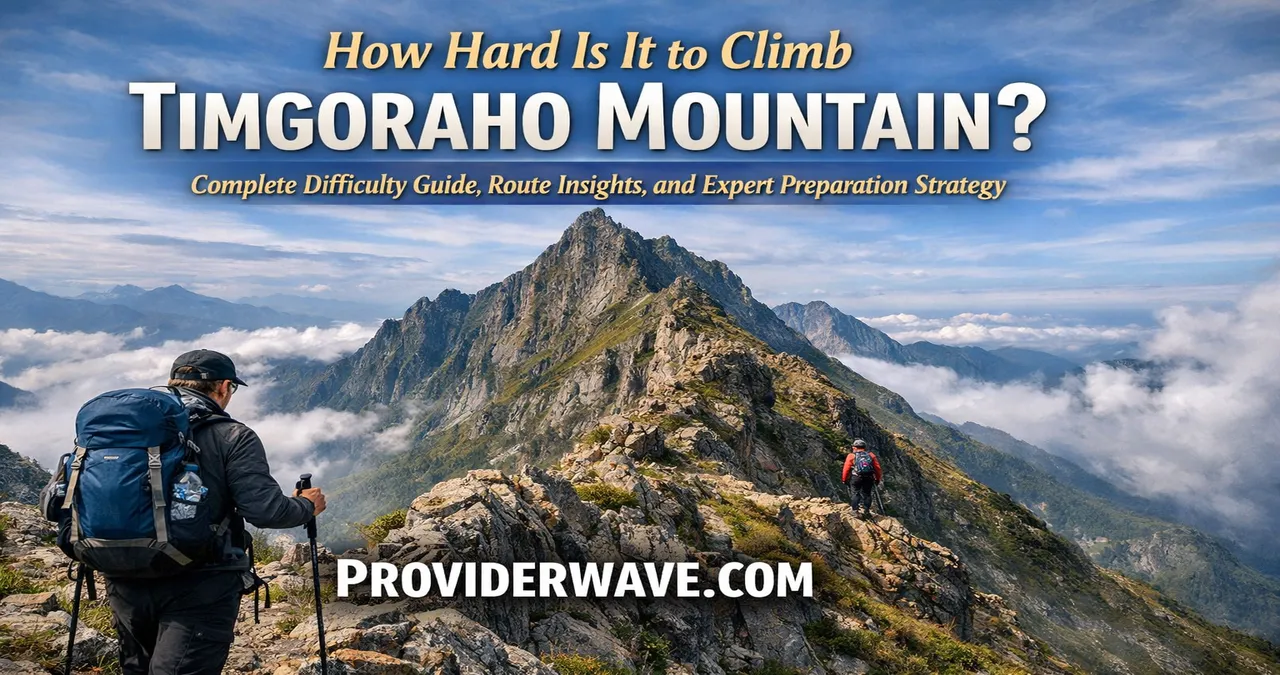
How Hard Is It to Climb Timgoraho Mountain? Discover route difficulty, fitness demands, safety tips, and expert advice in this complete guide.
If you’re researching How Hard Is It to Climb Timgoraho Mountain, you’re already thinking like a smart climber. Difficulty is never just about elevation. It’s about terrain, weather, logistics, endurance, route-finding, and how prepared you are for the unexpected.
Timgoraho Mountain has developed a reputation as an adventurous climb that rewards effort with dramatic views and an immersive natural experience. But it is not a casual weekend stroll. This guide delivers a comprehensive, expert-level breakdown of what truly determines how hard it is to climb Timgoraho Mountain, helping you assess whether it aligns with your skill level and preparation.
Understanding the Geographic Profile of Timgoraho Mountain
Timgoraho Mountain sits within a rugged landscape shaped by volcanic and tectonic activity. Its slopes combine forested lower elevations with exposed ridgelines higher up, creating a multi-phase climb that evolves as you ascend.
When evaluating How Hard Is It to Climb Timgoraho Mountain, geography is the first factor to understand. The terrain transitions from moderate inclines to steep ascents, and in certain sections, footing becomes unstable due to loose rock and narrow ridges. This variation significantly influences the overall difficulty rating.
Elevation and Vertical Gain Considerations
Elevation alone does not define mountain difficulty, but vertical gain absolutely does. Timgoraho Mountain demands sustained uphill movement, which tests cardiovascular endurance and leg strength over an extended period.
Climbers asking How Hard Is It to Climb Timgoraho Mountain often underestimate cumulative elevation gain. Even if the summit altitude seems manageable, the steep gradients in certain sections make the climb feel more intense than the raw numbers suggest.
Trail Conditions and Surface Composition
The trail composition on Timgoraho Mountain is varied. Lower slopes may offer compact soil and defined paths, while higher sections introduce loose gravel, rocky switchbacks, and occasional scrambling.
These surface changes directly impact how hard it is to climb Timgoraho Mountain. Stable footing allows steady pacing, but loose rock increases muscle fatigue and demands better balance and focus. Trekking poles can significantly improve stability in these segments.
Weather Patterns and Seasonal Impact
Weather is one of the biggest variables influencing how hard it is to climb Timgoraho Mountain. During dry seasons, trails are more predictable and manageable. During wet seasons, mud, slippery rock, and reduced visibility increase risk.
Wind exposure at higher elevations adds another layer of difficulty. Even experienced climbers can find progress slowed by strong gusts. Planning your climb according to seasonal patterns can reduce unnecessary difficulty.
Physical Fitness Requirements
Climbing Timgoraho Mountain requires moderate to high physical fitness. Endurance training, leg strength, and steady pacing are critical components of success.
When people ask How Hard Is It to Climb Timgoraho Mountain, the honest answer depends heavily on conditioning. For someone who regularly hikes or trains, the climb may feel challenging but achievable. For someone sedentary, it can feel overwhelming.
Technical Skill Level Assessment
Timgoraho Mountain is generally considered a non-technical climb, but certain sections may require light scrambling and confident foot placement.
Understanding how hard it is to climb Timgoraho Mountain also means recognizing your comfort level with exposed terrain. While ropes are typically not required, balance and awareness are essential in steeper segments.
Required Gear and Equipment
Proper gear reduces difficulty significantly. Sturdy hiking boots, moisture-wicking layers, sufficient hydration, and a reliable navigation system are essential.
A climber once remarked, “The mountain doesn’t test your strength first, it tests your preparation.” That sentiment perfectly applies when evaluating how hard it is to climb Timgoraho Mountain. The right equipment transforms a stressful climb into a manageable challenge.
Duration and Time Commitment
The climb to Timgoraho Mountain’s summit can take several hours depending on pace, weather, and rest stops. Most climbers allocate a full day for the experience.
Time under physical stress compounds fatigue. When considering How Hard Is It to Climb Timgoraho Mountain, remember that sustained exertion over hours is very different from short bursts of effort.
Comparison With Similar Mountains
To better contextualize the difficulty, here is a comparison table:
| Factor | Timgoraho Mountain | Typical Beginner Trail | Advanced Alpine Climb |
|---|---|---|---|
| Elevation Gain | Moderate to High | Low | Very High |
| Technical Sections | Light scrambling | None | Rope required |
| Exposure | Moderate | Minimal | High |
| Weather Impact | Significant | Mild | Severe |
| Fitness Required | Above average | Basic | Elite |
This structured comparison clarifies how hard it is to climb Timgoraho Mountain relative to other hiking categories.
Psychological Endurance and Mental Strength
Mental endurance plays a critical role in mountain climbing. Long uphill stretches can feel repetitive and draining, especially when the summit is not immediately visible.
How hard it is to climb Timgoraho Mountain is partially psychological. Climbers who manage pacing, hydration, and positive self-talk often find the experience more manageable than those who focus solely on distance remaining.
Route Navigation and Wayfinding
While some sections of Timgoraho Mountain are well-defined, others may require careful navigation, especially in low visibility conditions.
Navigation complexity adds to how hard it is to climb Timgoraho Mountain. Carrying offline maps or a GPS device provides reassurance and reduces stress during uncertain sections.
Risk Factors and Safety Awareness
Common risks include dehydration, slips on loose terrain, sudden weather changes, and fatigue-induced missteps.
Assessing How Hard Is It to Climb Timgoraho Mountain means honestly evaluating your risk tolerance. While the climb is achievable for prepared individuals, complacency increases danger.
Training Recommendations Before the Climb
Cardiovascular conditioning, stair climbing, and strength training should be part of pre-climb preparation. Gradual exposure to longer hikes builds endurance safely.
Proper training dramatically reduces how hard it is to climb Timgoraho Mountain. Preparation shifts the experience from survival to enjoyment.
Hydration and Nutrition Strategy
Maintaining steady energy levels is crucial. Complex carbohydrates, electrolytes, and consistent hydration prevent fatigue crashes.
Many underestimate how nutrition affects how hard it is to climb Timgoraho Mountain. Small mistakes in fueling can make the final ascent disproportionately difficult.
Beginner Versus Experienced Climber Experience
For beginners, the climb feels physically intense but rewarding. For experienced hikers, it presents a solid endurance challenge rather than a technical one.
Understanding how hard it is to climb Timgoraho Mountain depends on your baseline. Context is everything in mountaineering.
Environmental and Conservation Considerations
Climbers must respect local ecosystems and practice Leave No Trace principles. Preserving trail integrity ensures long-term accessibility.
Environmental stewardship does not change how hard it is to climb Timgoraho Mountain physically, but it defines the ethical responsibility of each visitor.
Summit Experience and Reward
The summit provides panoramic views and a strong sense of accomplishment. Reaching the top after sustained effort creates a powerful psychological reward.
The perceived difficulty often fades at the summit. Many climbers reassess how hard it is to climb Timgoraho Mountain only after realizing they were capable all along.
Common Misconceptions About the Climb
Some believe the climb is either extremely dangerous or extremely easy. Both extremes are inaccurate.
How Hard Is It to Climb Timgoraho Mountain falls into the category of serious but accessible. It demands preparation but does not require elite mountaineering skills.
Logistics and Accessibility
Transportation, trailhead access, and local regulations can influence overall planning complexity.
Logistical ease can reduce how hard it is to climb Timgoraho Mountain by minimizing stress before and after the physical challenge.
Emergency Preparedness
Carrying first aid supplies, informing someone of your plan, and understanding weather forecasts are critical safety measures.
Preparedness directly impacts how hard it is to climb Timgoraho Mountain from a risk perspective. Calm, informed climbers handle setbacks better.
Final Assessment of Overall Difficulty
So, How Hard Is It to Climb Timgoraho Mountain in practical terms? It is moderately challenging with segments that test endurance and stability. It is not a beginner stroll, yet it remains accessible to trained hikers with the right preparation.
The mountain demands respect, preparation, and awareness. With proper conditioning and gear, it transforms from intimidating to empowering.
Conclusion
Climbing Timgoraho Mountain is a meaningful physical and mental challenge that rewards preparation. The difficulty is real but manageable with training, planning, and respect for the environment.
If you approach the climb strategically, understanding How Hard Is It to Climb Timgoraho Mountain becomes less about fear and more about readiness. The experience becomes not just a summit attempt, but a journey of personal growth and resilience.
Frequently Asked Questions
Is Timgoraho Mountain suitable for beginners?
How Hard Is It to Climb Timgoraho Mountain for beginners depends on fitness level. Beginners with strong endurance and preparation can complete it, but it is not ideal for first-time hikers without training.
What is the most difficult part of the climb?
The steep upper sections and loose terrain often define how hard it is to climb Timgoraho Mountain, especially when fatigue sets in near the summit.
Do you need technical climbing equipment?
In most cases, no ropes are required, but proper hiking gear is essential to reduce how hard it is to climb Timgoraho Mountain safely.
How long does the climb usually take?
Most climbers complete the ascent and descent within a full day. Duration influences how hard it is to climb Timgoraho Mountain due to sustained exertion.
What fitness level is recommended?
Above-average cardiovascular fitness and leg strength significantly reduce how hard it is to climb Timgoraho Mountain and improve overall enjoyment.