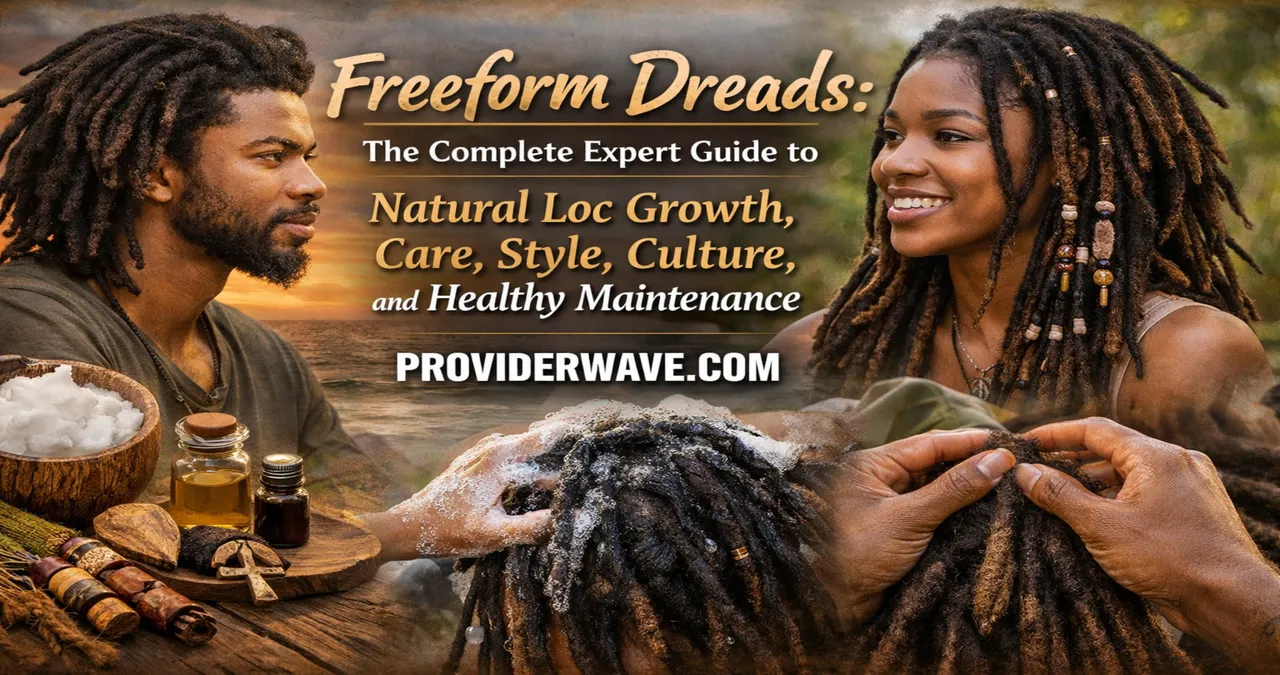
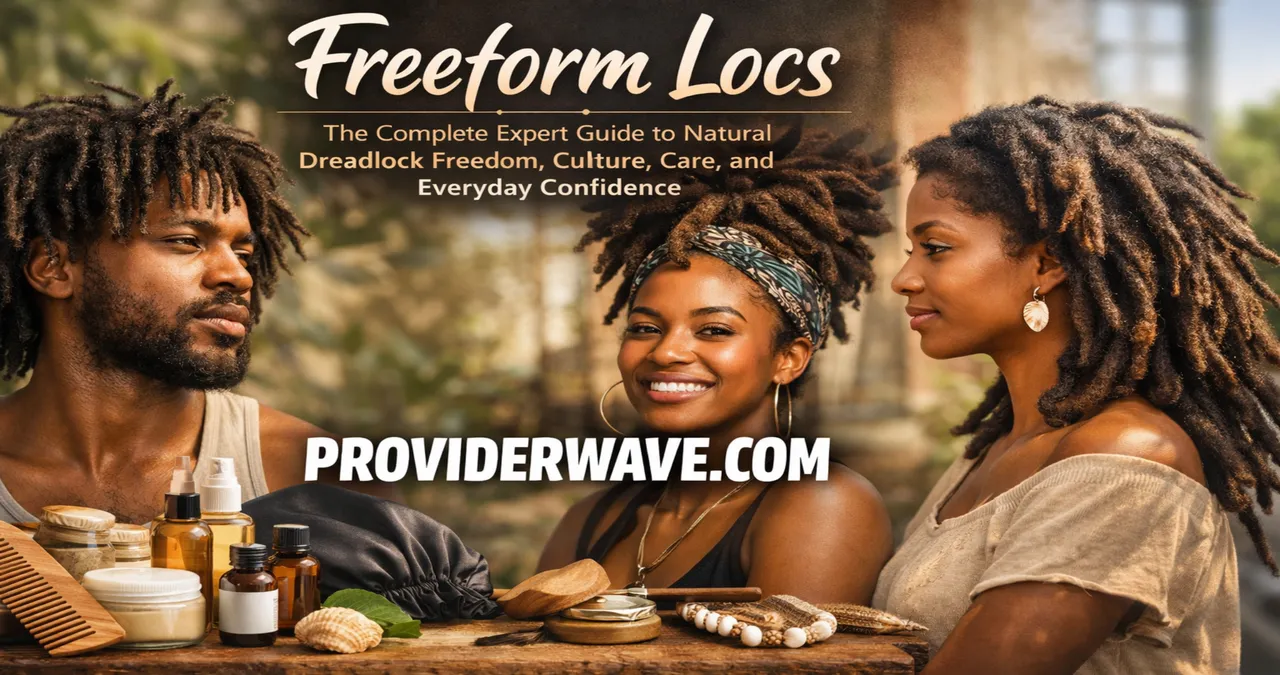
Freeform locs explained in depth with expert tips on growth, care, styling, maintenance, and cultural meaning. Learn how to start and confidently maintain natural, healthy locs the right way.
Freeform locs are more than a hairstyle. They are a personal journey, a cultural expression, and a natural way of allowing textured hair to grow and lock without heavy manipulation. Instead of forcing uniform sections or following strict grooming patterns, freeform locs develop organically. Hair tangles, twists, and locks on its own schedule, creating a look that feels authentic and unique to the person wearing it.
People are increasingly drawn to freeform locs because they represent freedom. Freedom from constant styling, from heat damage, and from the pressure of fitting into narrow beauty standards. The look is raw, natural, and deeply expressive. Each set tells its own story, shaped by daily habits, hair texture, and lifestyle. That individuality is what makes this style so powerful.
Understanding the Essence of Freeform Locs
Freeform locs begin with a simple philosophy: let the hair do what it naturally wants to do. Instead of parting hair into neat sections or using tools to force a specific pattern, you allow your strands to clump together on their own. Over time, those clumps tighten and mature into locs.
This approach celebrates texture. Coily and kinky hair types naturally intertwine, so the locking process happens without much effort. The result is a style that feels alive and dynamic. No two locs are identical, and that irregularity becomes part of the beauty. It feels less manufactured and more organic, which many people find refreshing in a world of over-styled looks.
Freeform locs also shift the mindset around hair care. Instead of constantly fixing or reshaping, you learn patience and trust. Growth becomes the focus rather than perfection.
The Cultural and Historical Roots of Freeform Locs
Freeform locs carry deep cultural meaning. Throughout history, locs have been worn by many African communities and spiritual traditions as symbols of strength, identity, and connection to ancestry. The style was never simply cosmetic. It represented pride and natural living.
In more recent decades, locs have been embraced within movements that celebrate Black identity and self-acceptance. Freeform locs in particular align with these values because they reject rigid beauty standards. They encourage people to honor their natural hair exactly as it grows.
Wearing freeform locs can feel empowering. It becomes a statement that says you are comfortable in your own skin. That emotional connection often matters just as much as the physical look.
How Freeform Locs Form Naturally
The science behind freeform locs is surprisingly simple. Textured hair strands naturally coil and wrap around each other. When left undisturbed, friction from daily life helps those strands tangle together. Over time, those tangles compact into tighter bundles, forming locs.
Moisture, movement, and patience play big roles. Washing the hair keeps the scalp clean, while everyday activities help the hair mesh together. Instead of combing out knots, you allow them to stay. Eventually, they mature into strong, stable locs.
This process can take months or even years, but that slow development is what creates character. Every twist and curve tells a small story about how the hair grew.
Starting Freeform Locs the Right Way
Starting freeform locs is easier than many people expect. In fact, doing less is usually the goal. You stop combing or brushing regularly and allow the hair to mat naturally. Some people begin with twists or braids, then let them grow out freely. Others simply wash and go.
The most important step is mindset. You must accept that the early stages might look messy or uneven. That is completely normal. Freeform locs are not meant to look polished at first. They evolve gradually.
Gentle care is still essential. Keeping the scalp clean, hydrated, and healthy ensures the locs grow strong from the roots.
Daily Care and Maintenance
Freeform locs require less manipulation, but they still need thoughtful care. Clean hair locks better than dirty hair, so regular washing is important. Use a gentle shampoo that removes buildup without stripping moisture.
Hydration matters too. Dry locs can become brittle and break. Light oils or water-based sprays keep hair soft and flexible. Many people prefer natural oils because they nourish without weighing hair down.
Night protection is often overlooked. Sleeping with a satin or silk scarf reduces friction and helps preserve the shape of your locs. Small habits like this make a huge difference over time.
Common Myths About Freeform Locs
One common myth is that freeform locs are dirty. In reality, clean hair locks more effectively. Proper hygiene is essential for healthy growth. Washing does not ruin locs; it strengthens them.
Another myth suggests that freeform locs cannot be styled. That is not true at all. They are incredibly versatile. You can tie them back, decorate them, or shape them creatively. The natural texture simply adds more personality.
Some people also believe that the style is unprofessional. Today, natural hairstyles are widely accepted across many spaces. Confidence and grooming matter far more than conformity.
Styling Options for Freeform Locs
Freeform locs offer endless styling freedom. You can let them hang loose for a bold, expressive look. You can gather them into buns or ponytails for practicality. You can accessorize with beads, wraps, or shells for added character.
The beauty of this style lies in its unpredictability. Every day feels slightly different. Some locs may grow thicker, others thinner. Instead of fighting that variation, you learn to work with it.
Many people discover that the less they manipulate their hair, the healthier it becomes. Simple styles often look the most powerful.
Benefits of Choosing Freeform Locs
The biggest benefit is freedom. You spend less time styling and more time living. No daily detangling or heat damage. That saves energy and protects your hair.
Freeform locs also promote self-acceptance. You learn to appreciate your natural texture instead of trying to change it. That shift in perspective can be incredibly empowering.
There is also practicality. Once mature, locs are durable and low maintenance. They withstand weather, workouts, and busy schedules with ease.
Challenges You Might Face
Freeform locs are not always effortless. The early stage can test your patience. Hair may look uneven or frizzy before it fully locks. Some people feel tempted to quit during this phase.
Buildup can also be an issue if heavy products are used. Keeping routines simple helps prevent residue. Light, natural products usually work best.
Social reactions may vary as well. Not everyone understands the style. But staying confident in your choice makes those opinions less important.
Healthy Products for Freeform Locs
Here is a simple guide to helpful product types:
| Need | Recommended Type | Why It Helps |
|---|---|---|
| Cleaning | Residue-free shampoo | Prevents buildup |
| Moisture | Water-based spray | Keeps locs soft |
| Nourishment | Natural oils | Strengthens strands |
| Protection | Satin bonnet | Reduces breakage |
Choosing minimal, lightweight products keeps locs breathable and healthy.
Expert Tips for Long-Term Success
Consistency is key. Wash regularly, moisturize gently, and avoid over-handling. Your locs will thrive with simple routines.
Listen to your hair. If it feels dry, add moisture. If it feels heavy, clarify. Paying attention prevents problems before they start.
Most importantly, enjoy the journey. Freeform locs are not about rushing toward a perfect finish. They are about embracing growth, literally and emotionally.
Quotes From the Community
“Freeform locs taught me patience more than anything else.”
“My hair finally feels like me, not something I have to fight every day.”
“Once I stopped trying to control every strand, my hair started thriving.”
Frequently Asked Questions
What are freeform locs?
They are locs formed naturally without sectioning or heavy manipulation, allowing hair to lock on its own.
How long do they take to form?
It depends on hair texture and routine. Some people see early locking within months, while full maturity can take longer.
Can I wash freeform locs regularly?
Yes. Clean hair locks better and keeps the scalp healthy.
Are they suitable for all hair types?
They work best with coily or kinky textures, though others can adapt the method.
Do freeform locs require products?
Minimal products are enough. Lightweight, natural options work best.
Can they be styled?
Absolutely. Buns, ponytails, wraps, and accessories all look great.
Conclusion
Freeform locs are a celebration of natural beauty and individuality. They encourage patience, self-expression, and healthy hair practices. When you stop forcing perfection and start trusting the process, your hair grows into something truly unique. That freedom is what makes freeform locs so powerful and timeless.