
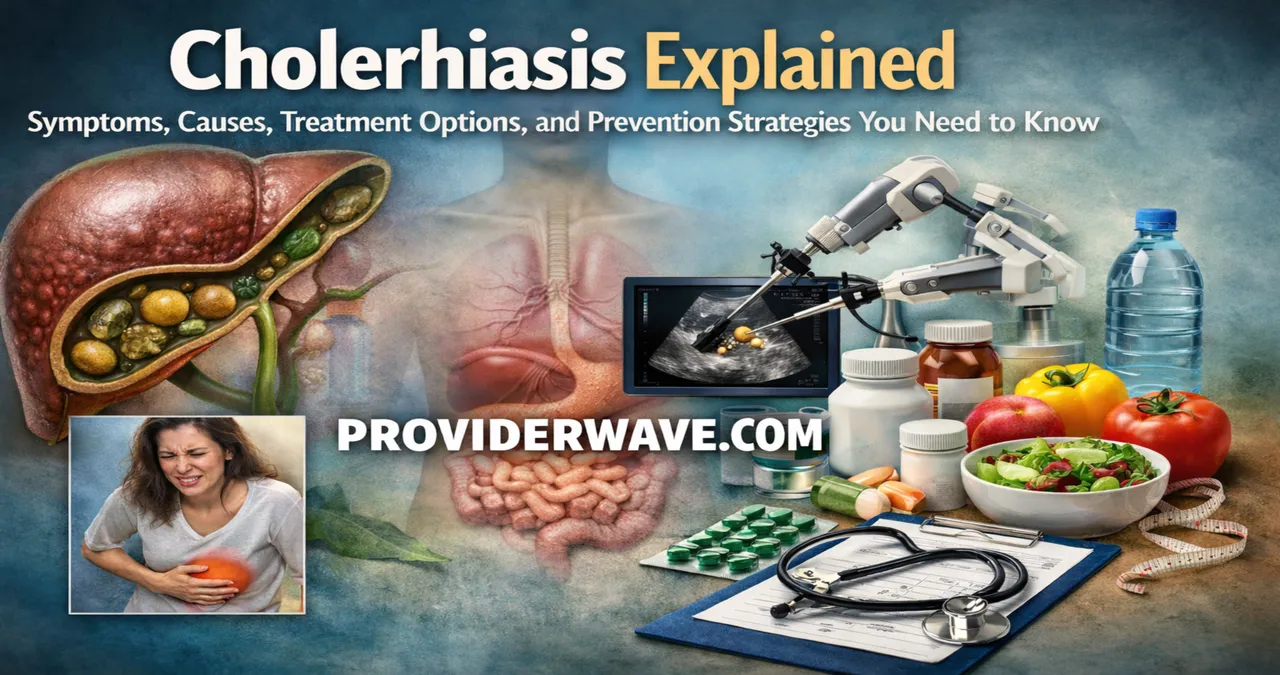
Cholerhiasis explained in depth—learn symptoms, causes, treatment options, and proven prevention strategies to protect your gallbladder health.
Cholerhiasis is a condition that often develops quietly but can suddenly become painful, disruptive, and medically urgent. Despite how common gallbladder-related disorders are worldwide, many people do not understand what cholerhiasis truly involves until symptoms appear.
This comprehensive guide is designed to serve as an authoritative resource on cholerhiasis, covering its causes, risk factors, diagnostic pathways, treatment options, prevention strategies, and long-term management. Whether you are researching symptoms, seeking clarity after a diagnosis, or simply expanding your health knowledge, this article delivers practical, expert-level insights in a clear and accessible way.
SEO Title: Cholerhiasis: Complete Guide to Causes, Symptoms, Diagnosis, Treatment & Prevention
Meta Description: Cholerhiasis explained clearly: causes, symptoms, diagnosis, treatment options, and prevention strategies for long-term gallbladder health.
What Is Cholerhiasis and Why It Matters
Cholerhiasis refers to the formation of gallstones within the gallbladder, a small organ located beneath the liver that stores bile. Bile is a digestive fluid responsible for breaking down fats, and when its chemical balance is disrupted, hardened deposits can form.
Although some individuals with cholerhiasis remain symptom-free for years, others experience sudden and severe abdominal pain known as biliary colic. In certain cases, complications such as inflammation, infection, or bile duct obstruction may develop, making early awareness critically important.
Understanding Gallstone Formation and Bile Chemistry
Gallstones form when bile contains excessive cholesterol, bilirubin, or insufficient bile salts. This imbalance causes crystallization, which gradually develops into hardened stones that vary in size from grains of sand to larger pebble-like formations.
Cholerhiasis typically involves two main types of stones: cholesterol stones and pigment stones. Cholesterol stones are the most common in Western populations, while pigment stones are more frequently linked to liver disease or blood disorders.
The Role of the Gallbladder in Digestive Health
The gallbladder functions as a storage and concentration unit for bile produced by the liver. When fatty foods enter the small intestine, the gallbladder contracts to release bile into the digestive tract.
In cases of cholerhiasis, stones can block this release mechanism. When bile flow is obstructed, pressure builds within the gallbladder, resulting in pain, inflammation, and potentially serious complications.
Common Symptoms of Cholerhiasis
The hallmark symptom of cholerhiasis is sharp pain in the upper right abdomen, often occurring after meals rich in fat. The pain may radiate to the back or right shoulder and can last from minutes to several hours.
Other symptoms may include nausea, vomiting, bloating, indigestion, and in complicated cases, fever or jaundice. Some individuals remain asymptomatic, making routine medical evaluation important when risk factors are present.
Silent Cholerhiasis: When No Symptoms Appear
Many people with cholerhiasis are unaware of their condition because stones may remain inactive. These silent stones are often discovered incidentally during imaging tests for unrelated issues.
While asymptomatic cases may not require immediate treatment, monitoring is recommended. A healthcare provider may suggest observation unless symptoms develop or complications arise.
Risk Factors That Increase Likelihood
Several well-established risk factors contribute to the development of cholerhiasis. These include obesity, rapid weight loss, pregnancy, family history, high-fat diets, and metabolic syndrome.
Hormonal influences also play a role, particularly elevated estrogen levels. Women are statistically more likely to develop gallstones, especially during childbearing years.
Age, Gender, and Genetic Influence
Age significantly increases the probability of gallstone formation. As individuals grow older, bile composition changes, making stone formation more likely.
Genetic predisposition can also influence susceptibility. If close family members have experienced cholerhiasis, the likelihood of developing it increases.
The Connection Between Diet and Gallstones
Diet plays a substantial role in gallbladder health. High intake of saturated fats and refined carbohydrates can disrupt bile balance and promote cholesterol crystallization.
Conversely, fiber-rich foods, healthy fats, and balanced meals support bile regulation. Maintaining stable weight and avoiding crash diets reduces the risk of stone formation.
Obesity, Metabolism, and Gallstone Risk
Obesity increases cholesterol secretion into bile, a primary mechanism behind cholesterol stone formation. This makes metabolic health central to preventing cholerhiasis.
Rapid weight loss can also increase risk because it causes the liver to release additional cholesterol into bile. Structured, gradual weight management is safer for gallbladder health.
How Cholerhiasis Is Diagnosed
Diagnosis typically begins with a detailed medical history and physical examination. Physicians assess pain patterns, dietary habits, and family history.
Ultrasound imaging remains the gold standard for identifying gallstones. It is non-invasive, widely available, and highly accurate in detecting cholerhiasis.
Advanced Imaging and Laboratory Testing
When complications are suspected, additional imaging such as CT scans or MRI may be recommended. These tools help evaluate bile duct involvement or inflammation.
Blood tests may reveal elevated liver enzymes or signs of infection. Together, imaging and laboratory data provide a comprehensive diagnostic picture.
Potential Complications of Cholerhiasis
Untreated gallstones can lead to acute cholecystitis, a painful inflammation of the gallbladder. This condition may require urgent medical intervention.
Other complications include pancreatitis, bile duct obstruction, and cholangitis. These conditions can escalate quickly, underscoring the importance of timely care.
Acute vs Chronic Presentation
Acute episodes involve sudden, intense pain and often require emergency assessment. Chronic cases may present with intermittent discomfort and digestive distress.
Recognizing early warning signs allows for preventive intervention before complications worsen.
Treatment Options for Cholerhiasis
Treatment depends on symptom severity and complication risk. Asymptomatic cases often require observation rather than immediate intervention.
Symptomatic cholerhiasis frequently necessitates surgical removal of the gallbladder, known as cholecystectomy, which is considered safe and highly effective.
Surgical Management and Recovery
Laparoscopic cholecystectomy is the most common surgical approach. It involves small incisions and generally allows faster recovery compared to open surgery.
Most patients resume normal activities within weeks. Long-term outcomes are typically positive, with minimal dietary restrictions after healing.
Non-Surgical Treatment Approaches
In select cases, medications such as ursodeoxycholic acid may dissolve cholesterol stones. However, this approach is slower and less commonly used.
Shock wave lithotripsy is rarely applied today but may be considered in specific situations. These options are typically reserved for patients unable to undergo surgery.
Comparing Treatment Pathways
Treatment Option | Best For | Advantages | Limitations
Laparoscopic Surgery | Symptomatic cases | Fast recovery, permanent solution | Requires anesthesia
Medication Therapy | Small cholesterol stones | Non-invasive | Slow, high recurrence
Observation | Asymptomatic stones | Avoids intervention | Risk of future symptoms
This table highlights the structured differences between treatment pathways, helping patients and clinicians align decisions with individual needs.
Lifestyle Modifications After Diagnosis
Post-diagnosis care includes dietary adjustments and weight management. Balanced meals with moderate fat intake help maintain digestive comfort.
Regular physical activity improves metabolic stability and reduces recurrence risk in cases where stones remain.
Long-Term Outlook and Prognosis
The prognosis for cholerhiasis is generally excellent, especially after surgical treatment. Most individuals live normal, healthy lives without a gallbladder.
Early intervention reduces complication rates significantly. Education and proactive healthcare engagement remain critical factors.
Preventing Gallstones Naturally
Prevention strategies focus on maintaining a healthy weight, eating balanced meals, and avoiding extreme dieting patterns.
Adequate hydration and consistent meal timing support bile flow and reduce stagnation within the gallbladder.
Myths and Misconceptions
A common misconception is that only older individuals develop gallstones. In reality, younger adults can also experience cholerhiasis, especially when risk factors are present.
Another myth suggests that removing the gallbladder severely impacts digestion. Most patients adapt well with minimal long-term changes.
The Psychological Impact of Diagnosis
Receiving a diagnosis of cholerhiasis can create anxiety due to fear of surgery or complications. Clear communication with healthcare providers helps ease concerns.
Understanding treatment options empowers patients to make informed decisions confidently.
The Importance of Early Medical Evaluation
Early consultation prevents avoidable emergencies. Persistent abdominal pain should never be ignored.
As one gastroenterologist explains, “The sooner we identify gallstones, the easier it is to prevent complications that can become life-threatening.”
When to Seek Immediate Care
Sudden severe pain lasting several hours, fever, or yellowing of the skin require urgent evaluation.
These symptoms may signal obstruction or infection that demands immediate medical attention.
Conclusion
Cholerhiasis is a common yet potentially serious condition that demands informed awareness. From bile chemistry to surgical intervention, understanding its mechanisms empowers proactive health management.
With timely diagnosis, appropriate treatment, and preventive lifestyle strategies, individuals can effectively manage cholerhiasis and protect long-term digestive health.
Frequently Asked Questions
What causes cholerhiasis to develop?
Cholerhiasis develops when bile becomes imbalanced, often due to excess cholesterol, bilirubin, or insufficient bile salts that lead to stone formation.
Can cholerhiasis resolve without surgery?
In some mild or asymptomatic cases, cholerhiasis may be managed without surgery, but symptomatic cases usually require gallbladder removal.
Is cholerhiasis dangerous?
Cholerhiasis can become dangerous if complications like infection, pancreatitis, or bile duct blockage occur, making early evaluation essential.
How is cholerhiasis diagnosed?
Cholerhiasis is typically diagnosed using ultrasound imaging supported by blood tests and clinical assessment.
Can diet prevent cholerhiasis?
A balanced diet, healthy weight management, and regular physical activity can significantly reduce the risk of developing cholerhiasis.