
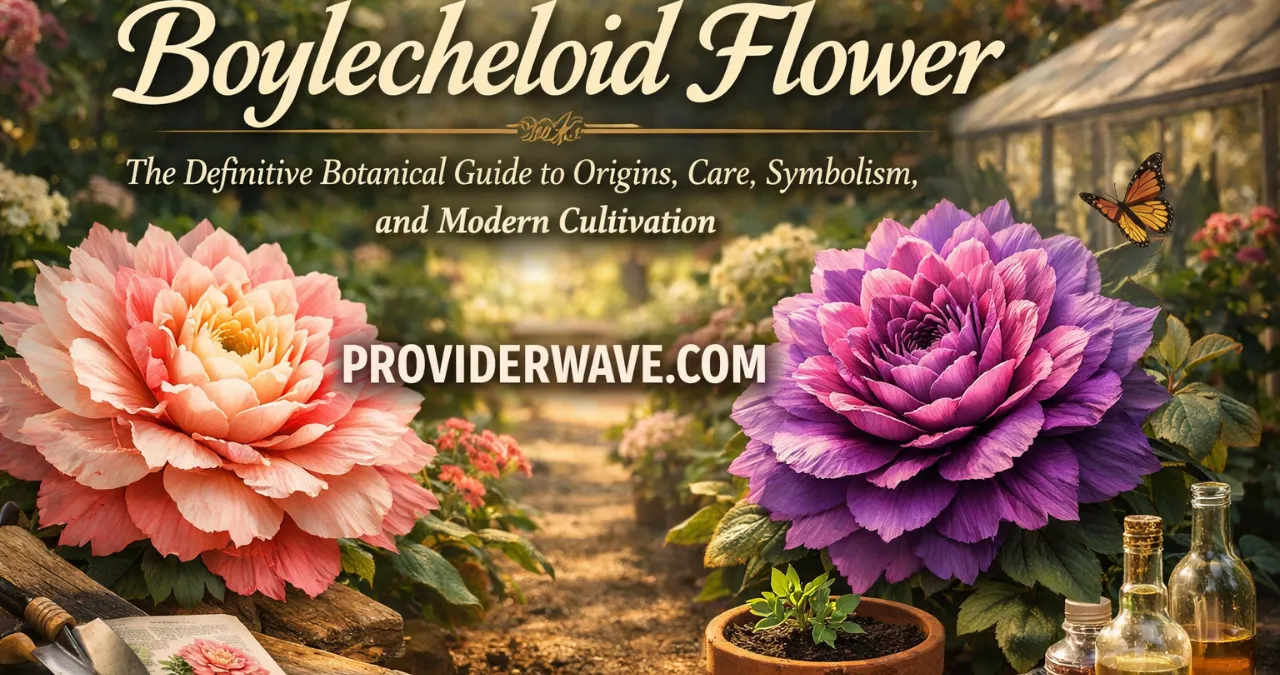
Discover everything about the boylecheloid flower, including origins, care, symbolism, growth tips, and expert insights in this complete guide.
The boylecheloid flower has steadily captured the curiosity of gardeners, plant collectors, and botanical enthusiasts who are drawn to rare and distinctive blooms. Known for its layered petal structure, unique coloration gradients, and remarkable resilience in varied climates, this plant has evolved from a niche curiosity into a recognized ornamental treasure. Its appeal lies not only in its aesthetic complexity but also in its adaptability and cultural symbolism.
In this comprehensive guide, we will explore every meaningful aspect of the boylecheloid flower, from its botanical classification and habitat origins to advanced cultivation strategies and market positioning. Whether you are a seasoned horticulturist or an enthusiastic beginner, this article is designed to position you as informed and confident in understanding and growing this exceptional plant.
Botanical Origins and Taxonomic Background
The boylecheloid flower belongs to a hybridized ornamental classification developed through selective cultivation rather than wild lineage. Botanists generally associate it with composite flowering families due to its layered petal arrangement and symmetrical bloom formation. However, its hybrid origin has led to subtle variations across regional cultivars.
Unlike traditional heirloom species, the boylecheloid flower was refined through intentional breeding programs focused on petal density, bloom longevity, and resistance to environmental stress. This hybridization history explains its broad climate tolerance and distinctive visual texture, which differentiates it from closely related ornamental blooms.
Visual Characteristics and Distinctive Traits
One of the defining features of the boylecheloid flower is its multi-tiered petal structure. The petals often form concentric layers, creating a dynamic bloom profile that shifts visually depending on light angle. This three-dimensional structure gives the plant an architectural presence in garden landscapes.
Color variation is another hallmark trait. Shades range from soft ivory and blush to vibrant coral and deep amethyst, often blending within a single bloom. This natural gradient effect enhances its ornamental value and makes the boylecheloid flower especially popular in curated garden displays and floral arrangements.
Natural Habitat and Environmental Preferences
Although cultivated widely today, the original breeding lines of the boylecheloid flower were developed in temperate regions with moderate humidity and well-drained soil. It thrives in environments that provide balanced sunlight and protection from extreme frost.
The plant adapts well to partial shade conditions, which makes it versatile for urban gardens and controlled greenhouse environments. Its moderate water requirements further enhance its accessibility for growers seeking a low-maintenance yet visually striking bloom.
Growth Cycle and Blooming Behavior
The boylecheloid flower typically follows a seasonal growth pattern characterized by early vegetative expansion and mid-season flowering. Its bloom period is notably extended compared to many ornamental species, often lasting several weeks under optimal conditions.
As the plant matures, the flowering intensity increases. Pruning and deadheading techniques can stimulate secondary blooms, extending visual appeal and maintaining plant health throughout the growing season.
Soil Composition and Nutrient Requirements
Well-draining soil with balanced organic content provides the ideal foundation for cultivating the boylecheloid flower. Loamy soil enriched with compost promotes root development and enhances nutrient absorption.
A slow-release fertilizer applied during early growth stages supports consistent flowering. Over-fertilization should be avoided, as excessive nitrogen can encourage foliage growth at the expense of blooms.
Watering Techniques and Moisture Management
Consistent moisture is important, but waterlogged conditions can damage the root system of the boylecheloid flower. The goal is to maintain evenly moist soil without oversaturation.
Drip irrigation systems or controlled watering schedules work effectively. Mulching around the base helps regulate soil temperature and conserve moisture, reducing stress during warmer periods.
Light Exposure and Placement Strategy
The boylecheloid flower performs best in areas that receive filtered sunlight or gentle morning exposure. Direct afternoon sun in extremely hot climates may cause petal fading or stress.
Indoor growers often use grow lights that mimic natural daylight cycles. Strategic placement enhances bloom coloration and maintains structural integrity.
Climate Adaptability and Seasonal Care
One of the reasons the boylecheloid flower has gained attention among horticulturists is its adaptability. It tolerates mild temperature fluctuations and moderate humidity shifts without significant decline.
During colder seasons, protective measures such as mulching or container relocation can preserve root systems. Seasonal pruning ensures renewed growth in the next cycle.
Propagation Methods and Reproduction
Propagation of the boylecheloid flower is typically achieved through stem cuttings or controlled seed cultivation. Cuttings offer a more reliable method for preserving cultivar traits.
Seed propagation may result in slight variations due to hybrid characteristics. Gardeners seeking uniform blooms often prefer vegetative reproduction for consistency.
Pest Resistance and Disease Management
The boylecheloid flower demonstrates moderate resistance to common garden pests. Aphids and fungal issues may appear in poorly ventilated or overwatered conditions.
Proper spacing, airflow, and organic pest management solutions maintain plant health. Preventative care is significantly more effective than reactive treatments.
Landscape Design Applications
Landscape designers frequently incorporate the boylecheloid flower as a focal element in layered garden compositions. Its bold bloom structure pairs beautifully with ground covers and ornamental grasses.
Container gardening enthusiasts also appreciate its adaptability. Placed in decorative pots, the plant becomes a statement piece on patios and balconies.
Symbolism and Cultural Meaning
The boylecheloid flower has gradually developed symbolic associations with resilience and layered complexity. Its multi-tiered petals often represent growth through stages.
In modern floral arrangements, it conveys sophistication and emotional depth. Its increasing popularity in ceremonial decor reflects its symbolic richness.
Commercial Value and Market Demand
As awareness grows, the boylecheloid flower has found its place in specialty nurseries and boutique plant markets. Collectors value rare cultivars with unusual color gradients.
Its market demand continues to rise due to social media exposure and aesthetic appeal. Unique ornamental plants often experience cyclical popularity, and this bloom currently enjoys a strong upward trend.
Comparison with Similar Ornamental Flowers
Below is a structured comparison to highlight how the boylecheloid flower stands out among related ornamental varieties.
| Feature | Boylecheloid Flower | Standard Hybrid Bloom | Traditional Perennial |
|---|---|---|---|
| Petal Structure | Multi-layered and architectural | Single or double layer | Simple radial form |
| Bloom Duration | Extended seasonal bloom | Moderate duration | Short seasonal window |
| Climate Tolerance | Adaptable to varied conditions | Moderate tolerance | Region-specific |
| Maintenance Level | Low to moderate | Moderate | Moderate to high |
| Market Appeal | Specialty and collector demand | Mainstream ornamental | Classic garden staple |
This comparison clarifies why horticulturists consider the boylecheloid flower a premium ornamental choice.
Common Misconceptions and Clarifications
Some assume the boylecheloid flower requires expert-level care due to its refined appearance. In reality, it is surprisingly manageable when foundational horticultural practices are followed.
Another misconception is that hybrid flowers lack durability. The structured breeding process behind this bloom enhances rather than weakens its resilience.
Expert Perspective on Long-Term Cultivation
A seasoned horticulturist once stated, “The beauty of a flower lies not only in its bloom, but in its ability to return stronger each season.” This insight perfectly captures the enduring appeal of the boylecheloid flower.
With thoughtful care, the plant rewards growers with consistent blooms and structural elegance year after year. Its resilience reinforces its value in both home gardens and professional landscapes.
Practical Care Checklist for Enthusiasts
To simplify cultivation, consider these essential care pillars: balanced sunlight, controlled watering, enriched soil, seasonal pruning, and airflow management.
Consistency is more important than complexity. When gardeners maintain stable conditions, the boylecheloid flower performs reliably and predictably.
Advanced Cultivation Strategies for Professionals
Professional growers often experiment with microclimate adjustments to intensify bloom coloration. Adjusting soil pH within recommended ranges can subtly influence pigment vibrancy.
Greenhouse cultivation allows year-round blooming cycles under controlled light and humidity. Such strategies maximize commercial yield and aesthetic consistency.
Sustainable Gardening and Ecological Impact
Sustainability plays an increasing role in modern horticulture. The boylecheloid flower supports pollinator-friendly environments when grown alongside nectar-rich companion plants.
Its moderate water requirements make it suitable for eco-conscious gardening practices. Responsible cultivation reduces environmental impact while preserving beauty.
Conclusion
The boylecheloid flower represents a compelling intersection of aesthetic sophistication and horticultural practicality. Its layered petals, adaptable nature, and symbolic depth position it as more than just another ornamental plant.
Whether cultivated in a backyard garden or displayed in a curated landscape design, the boylecheloid flower continues to captivate enthusiasts seeking something distinctive yet manageable. With the right knowledge and consistent care, it transforms from a rare curiosity into a lasting botanical highlight.
Frequently Asked Questions
What makes the boylecheloid flower unique compared to other ornamental blooms?
The boylecheloid flower stands out because of its layered petal structure, extended blooming cycle, and adaptability to various climates, making it both visually striking and practical.
Is the boylecheloid flower difficult to grow?
Despite its elegant appearance, the boylecheloid flower is relatively easy to cultivate when provided with balanced sunlight, well-draining soil, and consistent moisture.
Can the boylecheloid flower thrive indoors?
Yes, the boylecheloid flower can grow indoors under proper light conditions, especially when supported by grow lights that simulate natural daylight cycles.
How often should I water the boylecheloid flower?
Watering should maintain evenly moist soil without oversaturation. The boylecheloid flower prefers steady hydration rather than sporadic heavy watering.
Does the boylecheloid flower attract pollinators?
When planted in a garden ecosystem, the boylecheloid flower can attract pollinators, particularly when paired with complementary nectar-rich plants.
Can I propagate the boylecheloid flower easily?
Propagation through stem cuttings is the most reliable method for maintaining the defining traits of the boylecheloid flower.