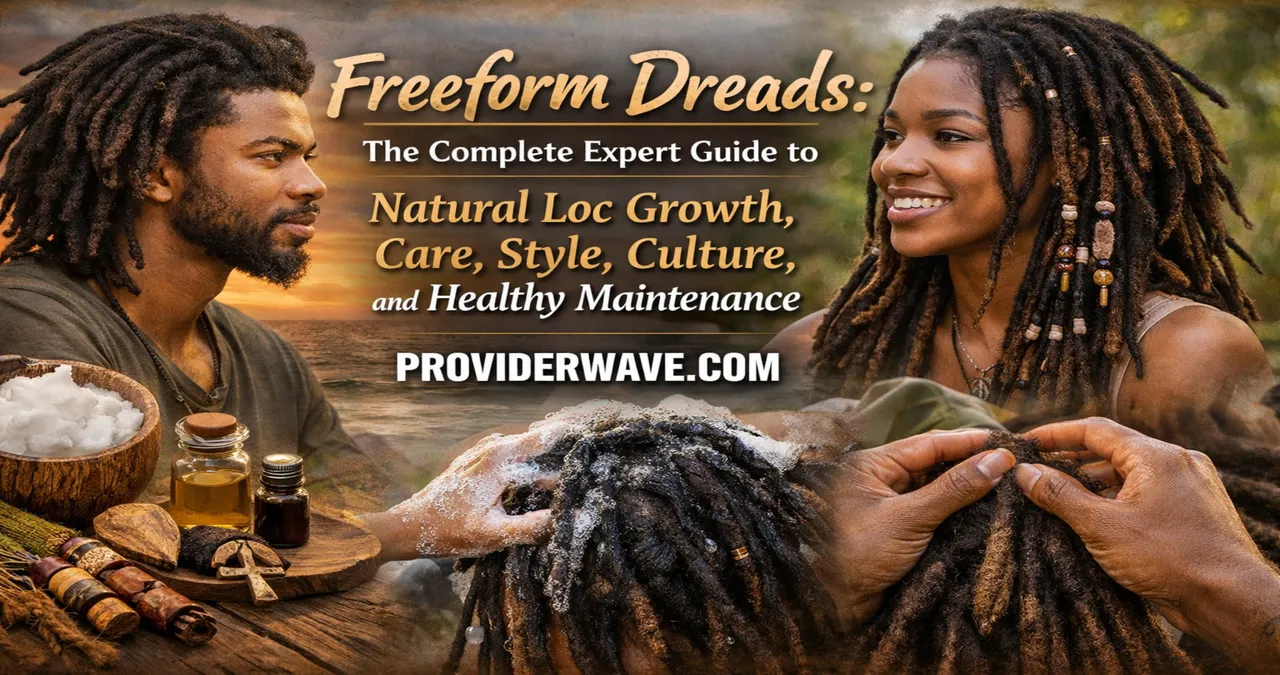
Freeform dreads guide covering natural growth, care tips, styling ideas, cultural meaning, and expert maintenance advice for healthy and unique locs.
Freeform dreads are more than just a hairstyle. They are a personal journey, a cultural statement, and a form of natural self-expression that grows with time. Instead of forcing the hair into uniform sections, this method allows locs to develop freely and organically, following the hair’s own texture and rhythm. The result is a look that feels raw, authentic, and uniquely yours. No two sets ever look the same, and that is exactly the beauty of it.
People across the world are choosing freeform dreads because they want something low-maintenance, natural, and deeply meaningful. Whether you are drawn to the spiritual history, the aesthetic appeal, or simply the freedom from constant salon visits, this style offers something refreshing in a world full of overly styled trends. In this guide, you will learn everything about freeform dreads from start to finish, explained casually but with the clarity of someone who truly understands the craft.
Understanding Freeform Dreads and What Makes Them Different
Freeform dreads develop naturally without heavy manipulation. Instead of parting the hair into perfect squares or twisting each section regularly, you allow the strands to tangle and knot on their own. Washing, separating when necessary, and minimal interference help the locs form their own shapes over time.
This approach stands in contrast to traditional loc methods that rely on palm rolling, crocheting, or interlocking. Those techniques create symmetry and controlled sizing. Freeform dreads embrace imperfection. The outcome is unpredictable in the best way possible. Each loc grows differently, creating a style that feels organic and alive rather than manufactured.
What makes freeform dreads truly special is individuality. When you see someone wearing them, you are looking at a hairstyle that literally cannot be copied. It reflects lifestyle, patience, and acceptance of natural beauty.
The Cultural and Historical Significance of Freeform Dreads
Freeform dreads carry a rich history connected to identity, spirituality, and resistance. Across African traditions, locked hair has long symbolized strength, wisdom, and connection to ancestors. The style was never just about appearance. It represented dignity and heritage.
During periods of colonization and cultural suppression, natural hair was often discouraged. Choosing to grow freeform dreads became a quiet act of reclaiming pride. In many communities, the hairstyle turned into a powerful reminder that beauty does not have to follow imposed standards.
Today, freeform dreads still hold that cultural weight. Even for people who adopt the look purely for aesthetic reasons, understanding its roots helps build respect. Wearing this style responsibly means appreciating the story behind it, not just the fashion aspect.
How Freeform Dreads Form Naturally
Hair naturally mats and coils when left alone, especially textured or curly hair. Freeform dreads simply allow this natural process to happen without interruption. Friction from sleeping, washing, and daily movement encourages strands to wrap around each other.
At first, the hair may look frizzy or uneven. Many beginners worry during this stage, thinking something is wrong. In reality, this is exactly how the process should look. Over time, those loose clusters tighten into defined locs.
Patience plays a huge role. Freeform dreads cannot be rushed. They develop gradually, and that slow growth is part of their charm. Each stage tells a story of time and transformation.
Starting Your Freeform Dreads Journey
Beginning freeform dreads is surprisingly simple. You do not need expensive tools or complicated routines. In fact, doing less is often better.
Start with clean hair. Avoid heavy conditioners or products that create buildup. Let your natural texture lead the way. Some people use a sponge or towel rub to encourage separation, while others prefer a completely hands-off approach.
The key mindset is trust. Instead of controlling every strand, allow the hair to do what it naturally wants. That freedom is what defines the process.
Daily Care and Maintenance for Healthy Locs
Even though freeform dreads are low-maintenance, they are not no-maintenance. Cleanliness is essential. A healthy scalp leads to strong locs.
Regular washing prevents odor and buildup. Contrary to old myths, clean hair actually locs better than dirty hair. Use lightweight, residue-free shampoo and rinse thoroughly. Let the hair dry completely to avoid mildew or trapped moisture.
You should also gently separate large sections if they start combining too much at the roots. This prevents painful pulling and keeps your locs manageable. Think of it as light guidance rather than strict styling.
Common Myths About Freeform Dreads
Many people believe freeform dreads are dirty or unhygienic. This misconception comes from lack of knowledge. Properly cared-for locs are just as clean as any other hairstyle.
Another myth is that they look messy. In reality, freeform dreads simply follow a different beauty standard. They celebrate texture and individuality instead of uniform perfection. What some see as wild, others see as artistic.
Some also assume they are permanent and impossible to change. While locs are long-term, they can be combed out with patience or trimmed if needed. Nothing about this style is irreversible.
Styling Options With Freeform Dreads
Freeform dreads offer surprising versatility. You can tie them back, create buns, add wraps, or decorate with beads and cuffs. Accessories enhance personality without altering the natural structure.
For casual days, simply letting them hang loose highlights their texture and movement. For formal settings, a neat ponytail or gathered style looks clean and professional. The flexibility makes this hairstyle practical for everyday life.
Because each set is unique, every style feels custom. What works for one person may look completely different on another, which keeps things exciting.
Products That Support Healthy Freeform Dreads
Lightweight and natural products work best. Heavy waxes or creams often trap dirt and slow the locking process. Less product usually equals better results.
Natural oils such as coconut or jojoba help moisturize the scalp without causing buildup. Aloe vera gels soothe dryness and add softness. Herbal sprays refresh locs between washes.
The goal is hydration and cleanliness, not stiffness or artificial shine. Freeform dreads thrive when they feel natural and breathable.
Pros and Cons of Freeform Dreads
| Benefits | Challenges |
|---|---|
| Very low daily maintenance | Requires patience during early stages |
| Unique personal look | Uneven shapes may surprise beginners |
| Minimal salon costs | Takes time to fully mature |
| Strong cultural meaning | Not always understood socially |
| Encourages natural hair health | Needs consistent cleanliness |
Understanding both sides helps you make an informed decision. Every hairstyle has trade-offs, and knowing them prepares you mentally.
How Long It Takes for Freeform Dreads to Mature
Timeframes vary based on hair texture and lifestyle. Some people notice defined locs within months, while others take longer. Tighter curls generally loc faster than looser textures.
The journey teaches patience. Watching your hair slowly transform can feel rewarding. Each month brings new shapes and character. Instead of rushing, enjoy observing the process unfold naturally.
Maintaining Scalp Health
A healthy scalp is the foundation of beautiful freeform dreads. If the scalp suffers, the locs suffer too. Gentle massages increase blood flow and encourage growth. Keeping the scalp moisturized prevents itchiness and flakes.
Avoid scratching aggressively, as it can weaken roots. Instead, use soothing oils or herbal rinses to calm irritation. Listening to your scalp’s needs ensures long-term success.
Emotional and Lifestyle Benefits
Beyond aesthetics, freeform dreads can change how you feel about yourself. Many people report greater confidence and acceptance of their natural features. Letting go of constant styling reduces stress and saves time.
There is also a sense of freedom. You are not chasing trends or trying to fit a mold. You simply exist as you are. That simplicity feels empowering.
Expert Tips for First-Timers
Start slow and avoid overthinking. Trust your hair’s natural pattern. Keep your routine simple and consistent. Stay patient even when early stages look messy.
Remember that comparison steals joy. Your locs will not look like someone else’s, and that is exactly how it should be. Celebrate the uniqueness.
Frequently Asked Questions About Freeform Dreads
What are freeform dreads exactly
They are locs that develop naturally without regular twisting or sectioning, allowing hair to lock freely.
Are freeform dreads clean
Yes. Regular washing keeps them clean and healthy just like any hairstyle.
Can anyone grow freeform dreads
Most hair types can form locs, but tighter curls tend to lock more easily and quickly.
Do they require products
Very few. Lightweight natural oils and gentle shampoo are usually enough.
Can I style them
Absolutely. Buns, ponytails, wraps, and accessories work great.
Are they permanent
They are long-term but can be combed out or cut if desired.
Conclusion
Freeform dreads represent freedom, patience, and authenticity. They allow your hair to grow naturally while reflecting your personal story. With proper care, clean habits, and a relaxed mindset, they become one of the most rewarding hairstyles you can wear. If you value individuality and low maintenance living, freeform dreads might be exactly what you have been looking for.