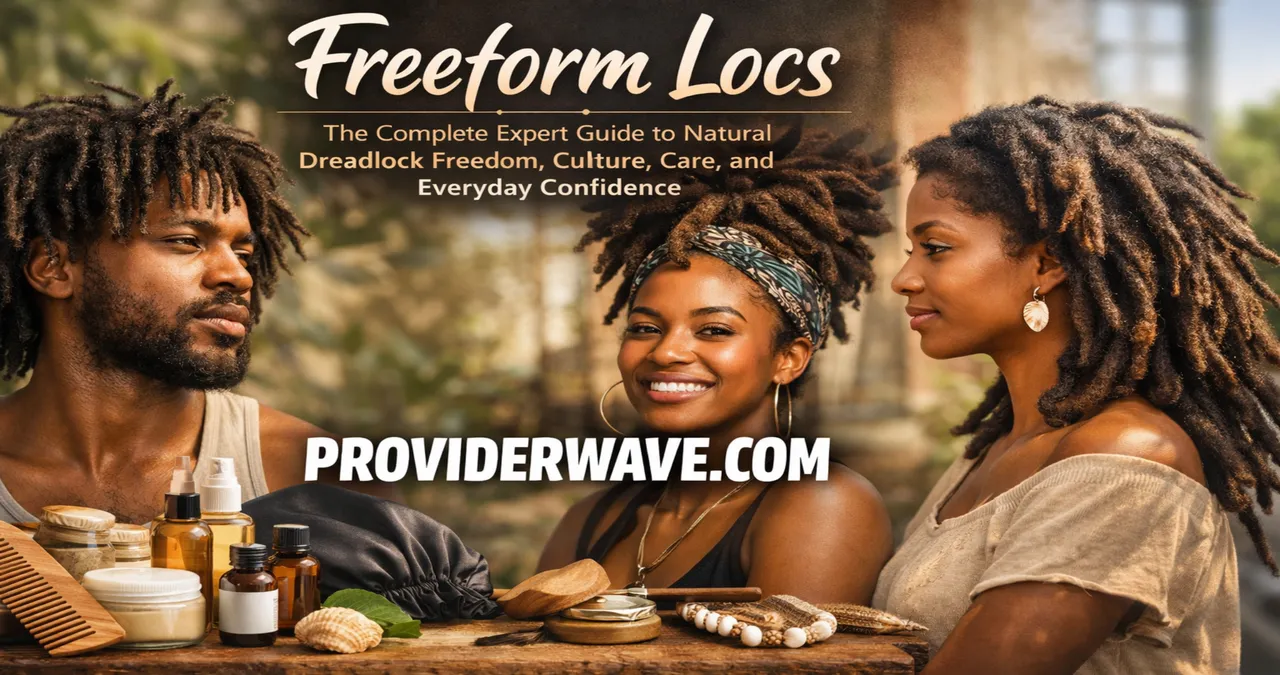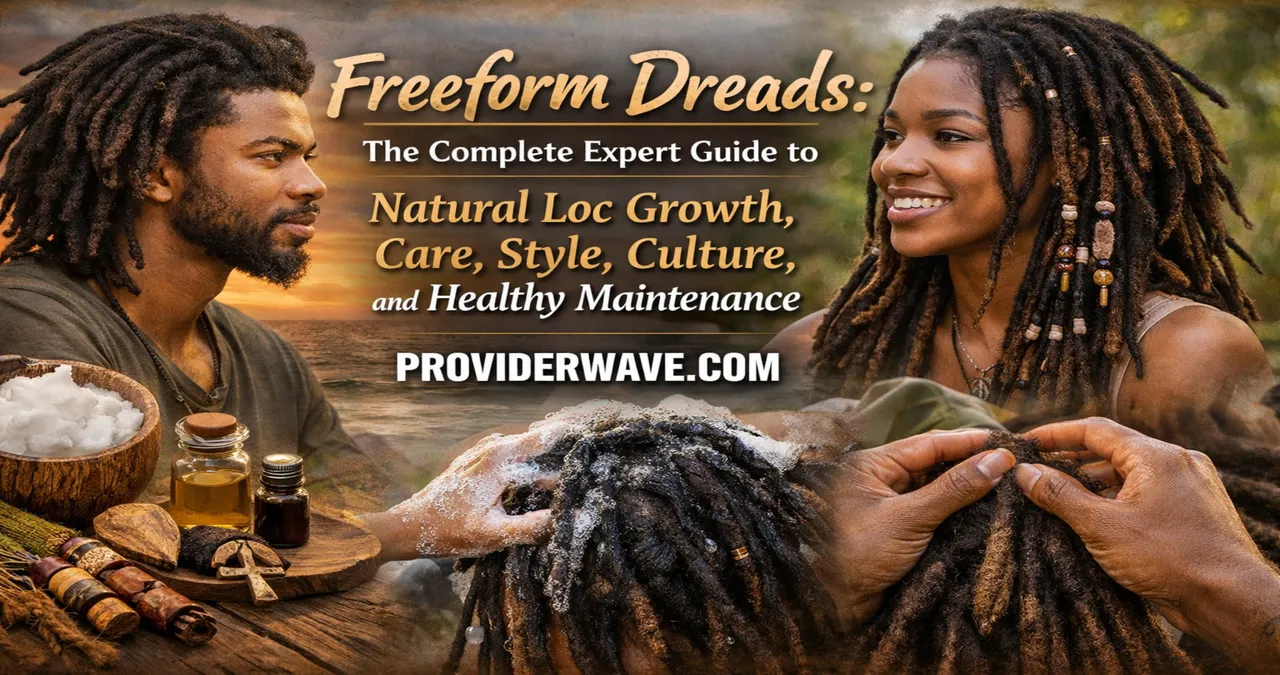
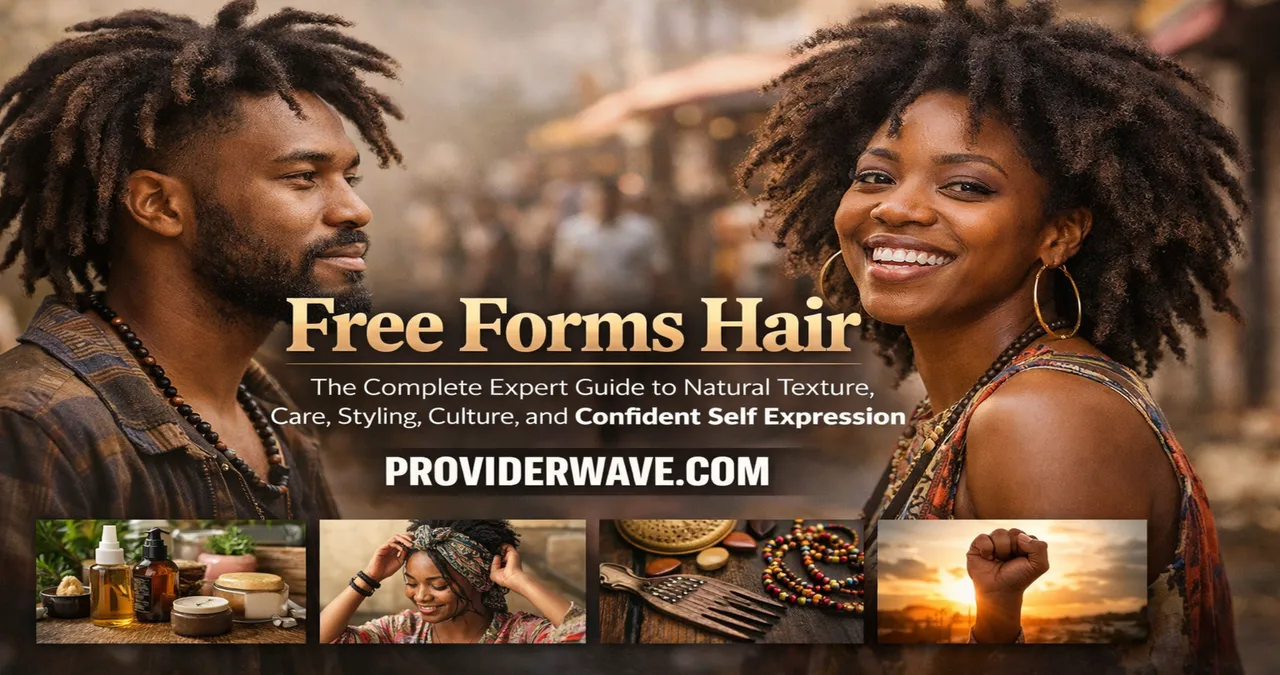
Free forms hair explained in depth with expert tips, care routines, benefits, styling ideas, and cultural insights to help you embrace natural texture confidently and effortlessly.
Free forms hair is more than just a hairstyle. It is a personal journey, a cultural statement, and a celebration of natural texture that refuses to be forced into rigid shapes. Instead of combing, brushing, or manipulating the hair into uniform patterns, free forms hair grows naturally and develops its own organic structure. The result is a look that feels raw, authentic, and uniquely yours.
Over time, this approach has gained serious attention across fashion, beauty, and lifestyle communities. People are stepping away from strict grooming routines and embracing hair that grows freely, reflecting individuality and self-acceptance. Whether you are curious about starting free forms hair or you already love the look and want expert care tips, this complete guide walks you through everything in a practical and easy-to-understand way.
What Is Free Forms Hair and Why It Feels So Natural
Free forms hair refers to hair that is allowed to grow with minimal manipulation. Instead of using combs or styling tools to control the strands, you let your hair follow its own natural path. Coils, curls, and kinks gradually group together, forming organic shapes and sometimes loose or tight loc patterns.
This method removes the pressure to achieve perfection. There is no exact size, no uniformity, and no strict rulebook. Every head of free forms hair looks different, and that uniqueness is the whole point. It encourages you to stop fighting your texture and instead work with what your hair naturally wants to do.
For many people, this approach feels liberating. It reduces daily stress around grooming and styling. Rather than spending hours trying to smooth, straighten, or reshape the hair, you focus on keeping it clean, moisturized, and healthy. The look develops over time without constant effort.
The Cultural Meaning Behind Free Forms Hair
Free forms hair carries deep cultural roots, especially within communities that celebrate natural hair textures. Historically, natural styles have been powerful symbols of identity, pride, and resistance against unrealistic beauty standards. Allowing hair to grow freely often represents self-acceptance and a refusal to conform.
Throughout history, natural hair has been connected to spirituality, heritage, and self-expression. Free forms hair continues that tradition today. It tells a story without words. It says that beauty does not need to be uniform or polished to be meaningful.
In modern culture, you see free forms hair embraced by artists, creatives, and everyday individuals who value authenticity. It shows confidence. It shows freedom. And most importantly, it shows that you are comfortable being yourself.
“Free forms hair is not styled into shape. It grows into truth.”
How Free Forms Hair Develops Over Time
The growth process of free forms hair is gradual. At first, your curls or coils simply look natural and loose. As weeks pass, strands begin to connect. Sections start forming naturally without twisting or palm rolling.
During this stage, you might notice small groupings of hair coming together. These groups can tighten or stay fluffy depending on your texture and how much you touch your hair. The key is patience. Free forms hair takes time to settle into its own rhythm.
Eventually, the shape becomes more defined. Some sections may look thicker, others thinner. That variation is normal and part of the beauty. No two parts grow the same way, and that organic look is what makes free forms hair stand out.
Benefits of Choosing Free Forms Hair
One of the biggest advantages of free forms hair is simplicity. You are not tied to daily styling or heavy product use. This means less time spent in front of a mirror and more time focusing on your day.
Another benefit is healthier strands. When you reduce manipulation, you reduce breakage. Constant combing and pulling can weaken hair over time. Free forms hair avoids that stress, allowing the hair to grow stronger and thicker naturally.
There is also the emotional benefit. Many people say they feel more confident and comfortable after switching to free forms hair. It removes the pressure to look perfect and replaces it with authenticity. That mental shift can be surprisingly powerful.
How to Start Your Free Forms Hair Journey
Starting is simpler than most people think. You do not need special tools or complicated routines. The first step is simply to stop heavy manipulation. Avoid combing or brushing excessively. Let your curls stay together.
Keep your scalp clean and moisturized. Washing regularly prevents buildup, while gentle oils or creams maintain softness. Instead of shaping the hair, focus only on keeping it healthy.
Consistency matters more than products. Over time, your hair will naturally begin forming its own pattern. Trust the process. Free forms hair thrives when left alone.
Daily Care Tips for Healthy Free Forms Hair
Even though this style is low maintenance, it still requires basic care. Clean hair grows better and looks fresher. Washing gently helps prevent dirt or sweat from collecting at the scalp.
Moisture is equally important. Dry hair can feel rough and brittle. Using lightweight oils or natural butters helps lock in hydration. The goal is softness, not stiffness.
Sleeping habits also matter. Using a satin or silk covering reduces friction at night. This keeps the hair smooth and prevents unnecessary frizz or breakage.
Common Mistakes People Make
Some people think free forms hair means doing absolutely nothing. That is not true. Neglect can lead to dryness or buildup. Healthy free forms hair still needs attention.
Another mistake is over touching. Constant pulling, twisting, or separating interrupts the natural formation. Let the hair settle without interference.
Using heavy waxes or thick gels can also cause problems. These products trap dirt and make cleaning harder. Stick with light, breathable products for the best results.
Styling Ideas for Free Forms Hair
Free forms hair is versatile. Even though it grows naturally, you can still experiment with simple looks. Head wraps, scarves, and hats can add personality without altering the hair structure.
You can also try gentle updos or loose ties when needed. These styles protect the ends while maintaining the organic feel. Accessories like beads or clips can add creative flair.
The beauty lies in effortlessness. Free forms hair looks best when it feels relaxed and authentic rather than forced.
Products That Work Best
Here’s a simple guide:
| Purpose | Recommended Type |
|---|---|
| Cleansing | Gentle sulfate-free shampoo |
| Moisture | Lightweight leave-in conditioner |
| Shine | Natural oils |
| Protection | Satin scarf or bonnet |
Keeping products minimal helps your hair breathe and grow freely.
Who Should Try Free Forms Hair
Anyone who wants a natural, low-maintenance style can try free forms hair. It works especially well for curly, coily, or kinky textures. But more than hair type, it is about mindset.
If you enjoy individuality and dislike strict grooming routines, this approach might suit you perfectly. It allows you to embrace what you already have instead of constantly trying to change it.
Frequently Asked Questions
Is free forms hair hard to maintain
Not at all. It is actually easier than many styles. Basic washing and moisturizing are usually enough.
Can I wash my hair regularly
Yes. Clean hair is healthier. Just wash gently and avoid aggressive scrubbing.
Does free forms hair grow faster
Less manipulation often means less breakage, which helps you retain length over time.
Can anyone start free forms hair
Most textures can try it, but it is especially effective on naturally curly or coily hair.
Do I need special products
No. Simple, lightweight products work best.
Conclusion
Free forms hair is about freedom, authenticity, and confidence. It teaches you to trust your natural texture and let your hair grow without constant control. With simple care and patience, you can enjoy a look that feels effortless yet powerful. In the end, free forms hair is not just a style. It is a mindset that celebrates who you already are.