Discover how circular economy software drives sustainable business practices, reduces waste, and boosts efficiency with smart, technology-driven solutions.
Circular Economy Software: Driving Sustainable Business Practices
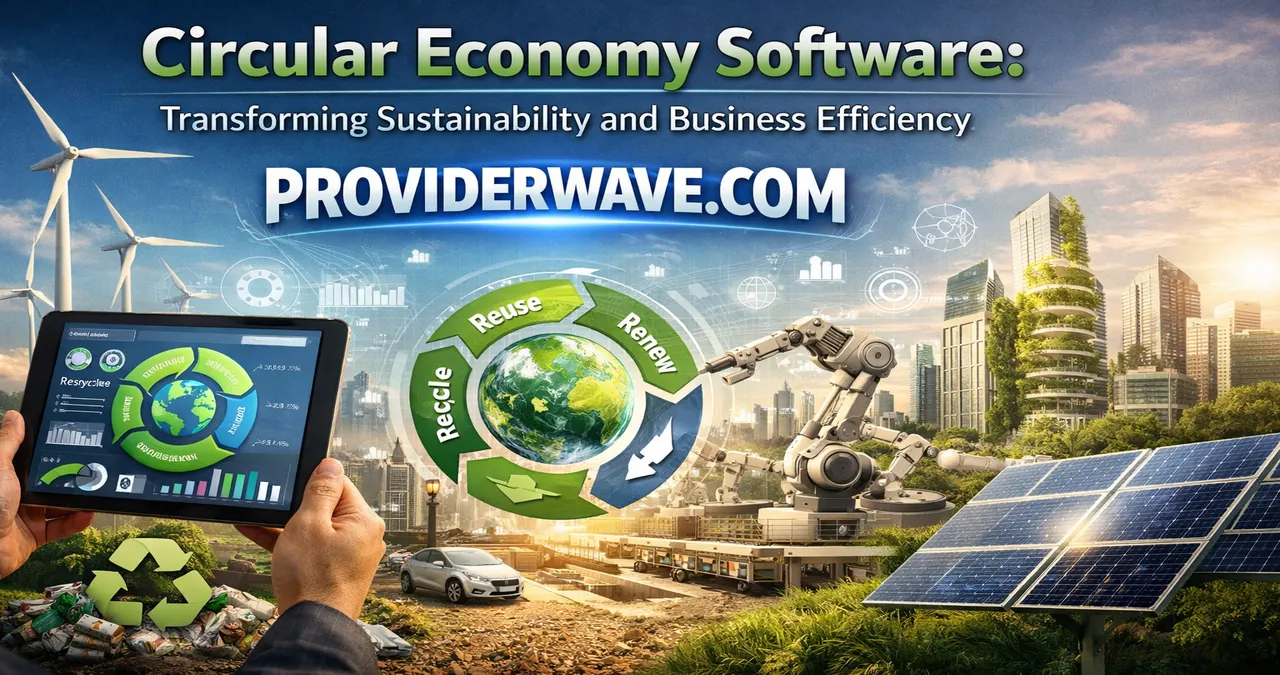
Circular economy software is revolutionizing the way businesses approach sustainability and resource management. Unlike traditional linear models, where products are made, used, and discarded, circular economy systems aim to keep resources in use for as long as possible. Software solutions designed for circular economy strategies help organizations track materials, optimize product life cycles, and reduce waste, ultimately driving both environmental and economic benefits.
In today’s world, where sustainability is no longer optional, businesses are increasingly turning to technology to manage their circular processes. Circular economy software provides the tools necessary to monitor resource flows, make data-driven decisions, and align operations with eco-friendly goals. By integrating this software into business strategies, companies can not only reduce costs but also strengthen their brand reputation and meet regulatory requirements more effectively.
Understanding the Circular Economy Concept
At its core, the circular economy is about rethinking how we produce, consume, and manage resources. It emphasizes reuse, recycling, and regeneration rather than disposal. Circular economy software plays a crucial role in facilitating this transition by offering insights into material usage, waste streams, and product life cycles.
Implementing circular practices without technology can be challenging. Businesses must track countless data points, including inventory, production waste, and product returns. Circular economy software automates this process, providing real-time analytics and actionable insights. Companies can identify inefficiencies, optimize resource allocation, and create closed-loop systems where waste from one process becomes input for another.
“Sustainability is not a trend; it’s the blueprint for the future. Circular economy software is the compass guiding businesses through this transition.”
Key Features of Circular Economy Software
Circular economy software is more than just a tracking tool. It integrates several features designed to streamline sustainable operations:
- Resource Tracking and Management
Software can monitor raw materials, product components, and by-products throughout the production lifecycle. Businesses gain visibility into how resources are used, where waste occurs, and how materials can be recovered or repurposed. - Product Lifecycle Analytics
By analyzing the life cycle of products, companies can identify opportunities for reuse, repair, or recycling. This helps extend the lifespan of products and reduces environmental impact. - Waste Reduction Modules
Circular economy software can detect inefficiencies in production that generate unnecessary waste. By providing actionable recommendations, companies can implement cost-saving measures while minimizing their ecological footprint. - Supply Chain Optimization
Many solutions integrate supply chain data, enabling organizations to choose suppliers who follow sustainable practices, reduce transportation emissions, and enhance circular sourcing strategies. - Compliance and Reporting
Businesses can automate sustainability reporting, ensuring they meet local regulations and global standards for environmental responsibility.
A table summarizing features:
| Feature | Benefits |
|---|---|
| Resource Tracking | Real-time visibility on materials and waste |
| Lifecycle Analytics | Longer product life and reduced environmental impact |
| Waste Reduction | Cost savings and minimal ecological footprint |
| Supply Chain Optimization | Sustainable sourcing and operational efficiency |
| Compliance Reporting | Meet regulations and improve transparency |
Benefits of Using Circular Economy Software
Adopting circular economy software provides several tangible and intangible benefits. First, it drives operational efficiency. By identifying bottlenecks and resource wastage, businesses can reduce costs significantly.
Second, it strengthens sustainability credentials. Companies can showcase their commitment to environmental responsibility, which resonates with increasingly eco-conscious consumers and investors. The software also supports innovation by revealing areas where new business models, such as product-as-a-service or repair-and-return, can thrive.
Additionally, circular economy software enables predictive insights. By analyzing historical data and resource flows, companies can forecast future needs, optimize inventory, and avoid overproduction. This not only conserves resources but also enhances competitiveness in the market.
How Businesses Implement Circular Economy Software
Implementing circular economy software involves several key steps:
- Assessment of Current Operations
Businesses start by analyzing current resource usage, waste patterns, and product lifecycle. This baseline data helps identify gaps where software can add value. - Integration with Existing Systems
Modern circular economy software is designed to integrate seamlessly with enterprise resource planning (ERP) and supply chain management tools. This ensures a unified view of operations. - Data Monitoring and Analysis
Once integrated, the software continuously collects and analyzes data, offering insights into material efficiency, waste reduction, and lifecycle optimization. - Strategy Refinement
Based on the insights, companies refine their circular strategies, implement process improvements, and track progress toward sustainability goals. - Continuous Improvement
Circular economy software is not a one-time implementation. Continuous monitoring, feedback, and updates ensure businesses remain agile and can adapt to evolving sustainability challenges.
Circular Economy Software for Different Industries
The versatility of circular economy software allows it to serve multiple sectors:
- Manufacturing: Tracks raw materials and promotes recycling initiatives.
- Retail: Manages product returns and packaging reuse.
- Construction: Optimizes materials for reuse and reduces demolition waste.
- Consumer Electronics: Supports repair programs and recycling of e-waste.
Each industry benefits differently, but the common goal remains: reduce environmental impact while maintaining profitability.
“Circular economy software transforms sustainability from a buzzword into measurable business outcomes.”
Challenges and Solutions
While circular economy software offers immense potential, businesses may face challenges:
- Data Complexity: Managing massive amounts of operational data can be overwhelming. Solution: choose software with robust analytics and user-friendly dashboards.
- Integration Issues: Legacy systems may not sync easily. Solution: adopt flexible solutions with API support and cloud-based platforms.
- Employee Adoption: Teams may resist new technology. Solution: provide training and demonstrate tangible benefits for daily operations.
Overcoming these challenges ensures that circular economy strategies are not just implemented but sustained for long-term impact.
Future Trends in Circular Economy Software
The future of circular economy software is promising, with advancements in AI, IoT, and blockchain enhancing functionality.
- AI-Driven Insights: Predictive analytics will allow companies to forecast waste patterns and optimize production schedules.
- IoT Integration: Sensors on products can provide real-time feedback on usage, wear, and end-of-life status.
- Blockchain for Traceability: Full transparency in supply chains ensures materials are ethically sourced and recycled efficiently.
These trends will make circular economy software even more powerful, transforming sustainability from a compliance requirement into a competitive advantage.
FAQs About Circular Economy Software
Q: What is circular economy software?
A: Circular economy software is a digital tool that helps businesses manage resources, reduce waste, and optimize product life cycles to create sustainable operations.
Q: Why is it important for businesses?
A: It enables businesses to cut costs, improve sustainability, and comply with regulations, all while supporting innovative circular business models.
Q: Can small businesses benefit from it?
A: Absolutely. Scalable software solutions make it accessible for businesses of all sizes, providing insights to improve efficiency and sustainability.
Q: How does it differ from traditional ERP software?
A: Unlike standard ERP, circular economy software focuses specifically on sustainability metrics, waste reduction, and lifecycle management.
Q: What industries use it most?
A: Manufacturing, retail, construction, and consumer electronics are primary adopters, but its applications span almost every sector.
Conclusion
Circular economy software is no longer a futuristic concept—it is a practical solution that drives sustainability, efficiency, and profitability. By providing real-time insights, tracking materials, and optimizing resource use, it empowers businesses to transition toward a circular model with measurable impact. Organizations that adopt this software today are not only protecting the environment but also positioning themselves for long-term growth and innovation.